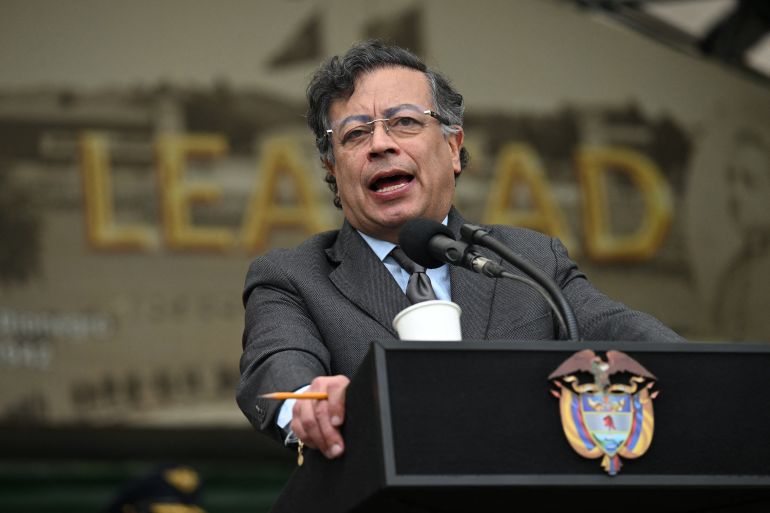
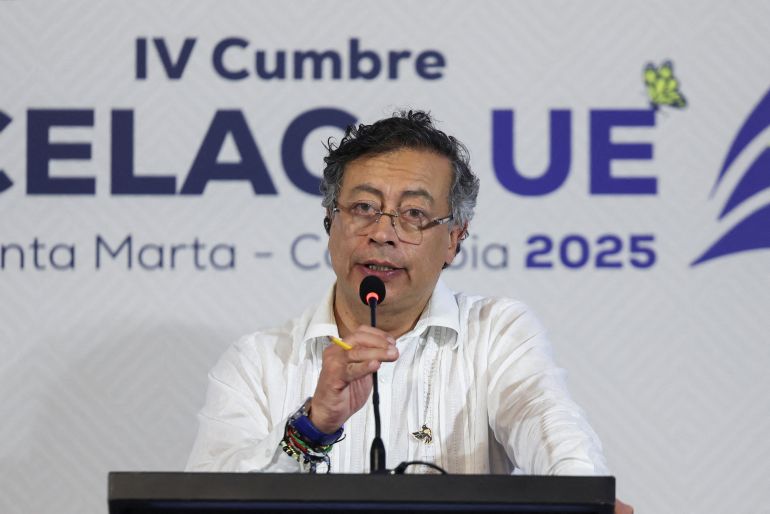
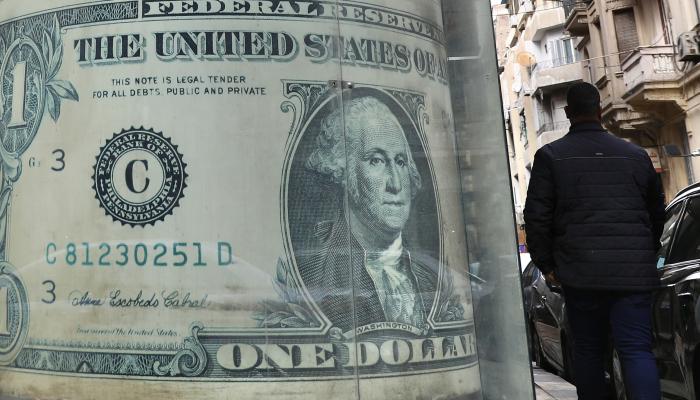
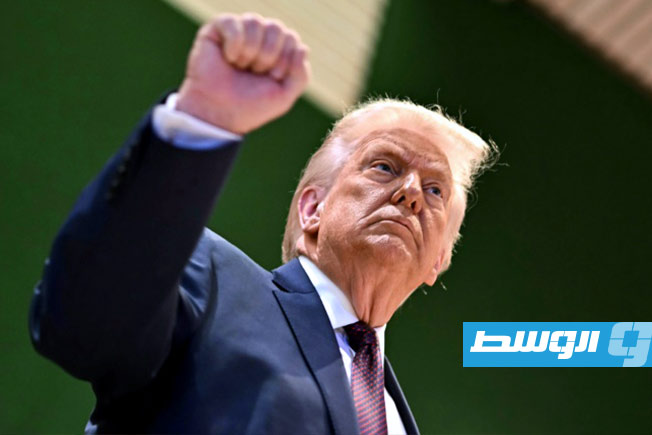
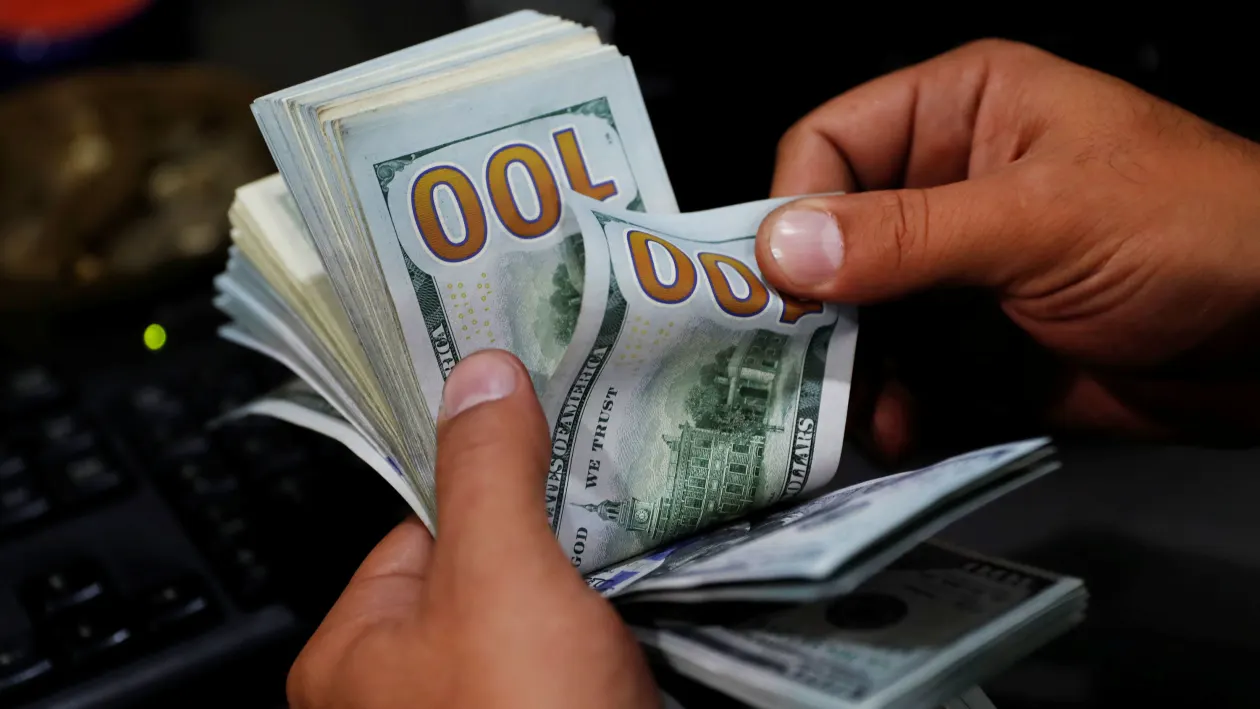
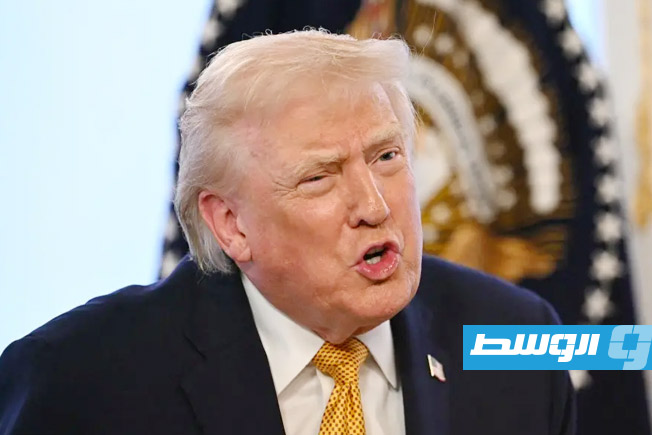
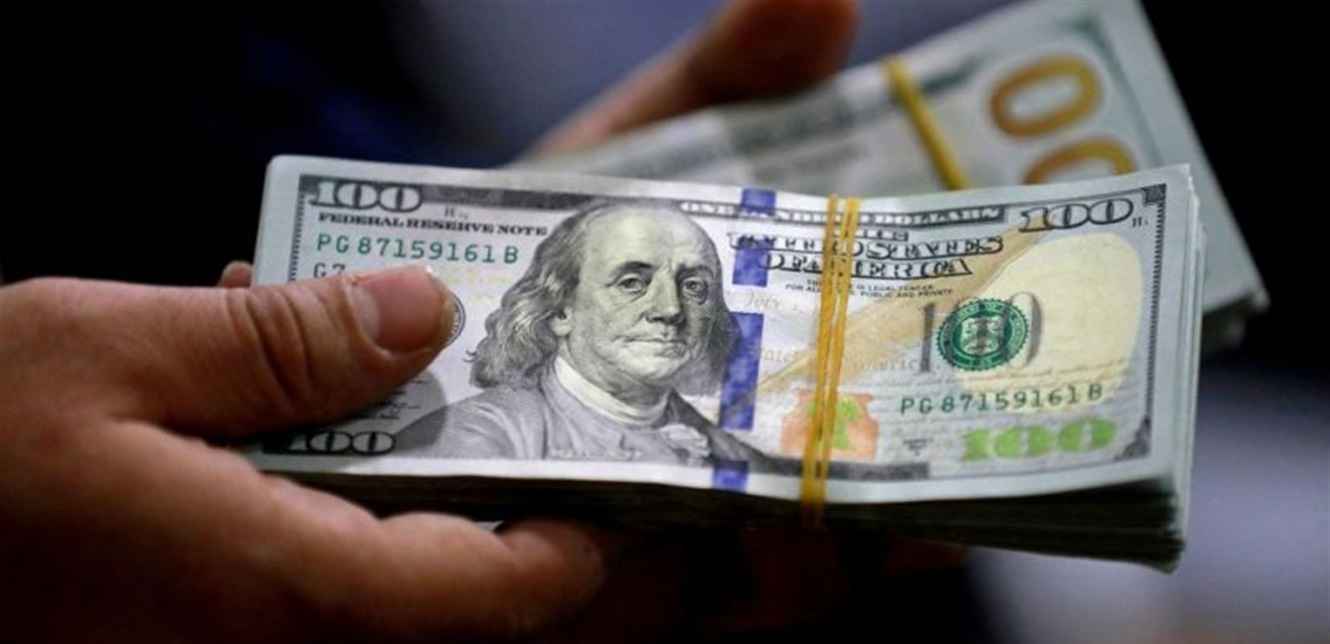
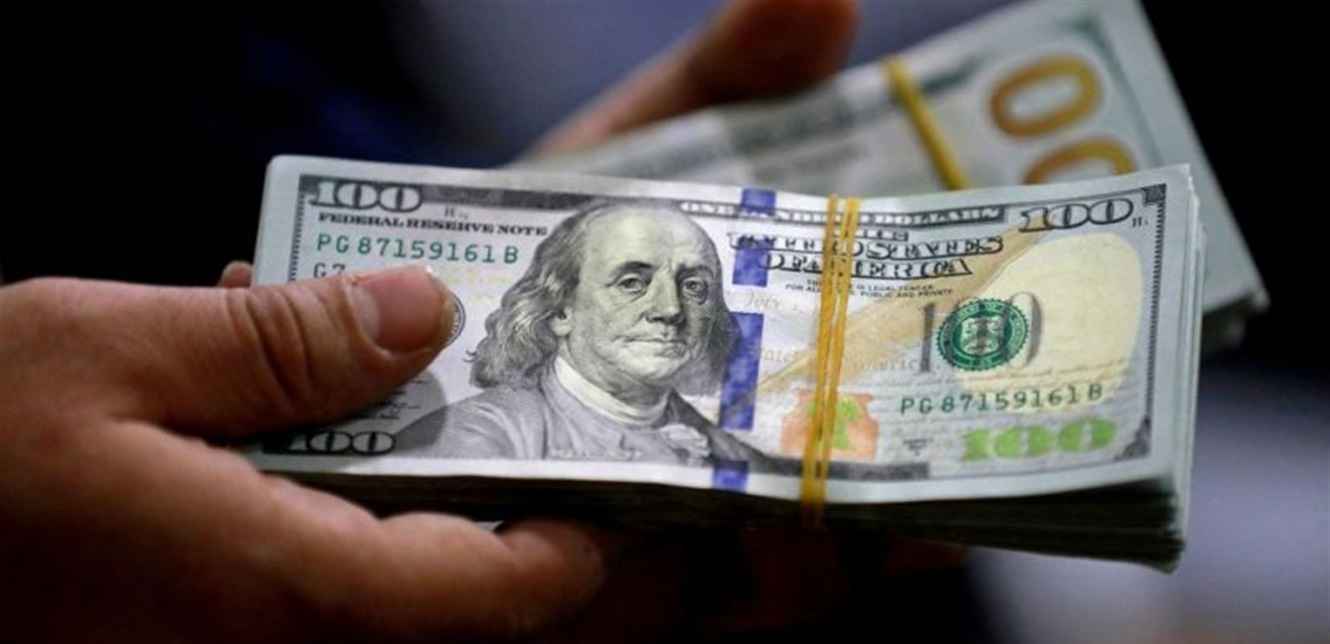
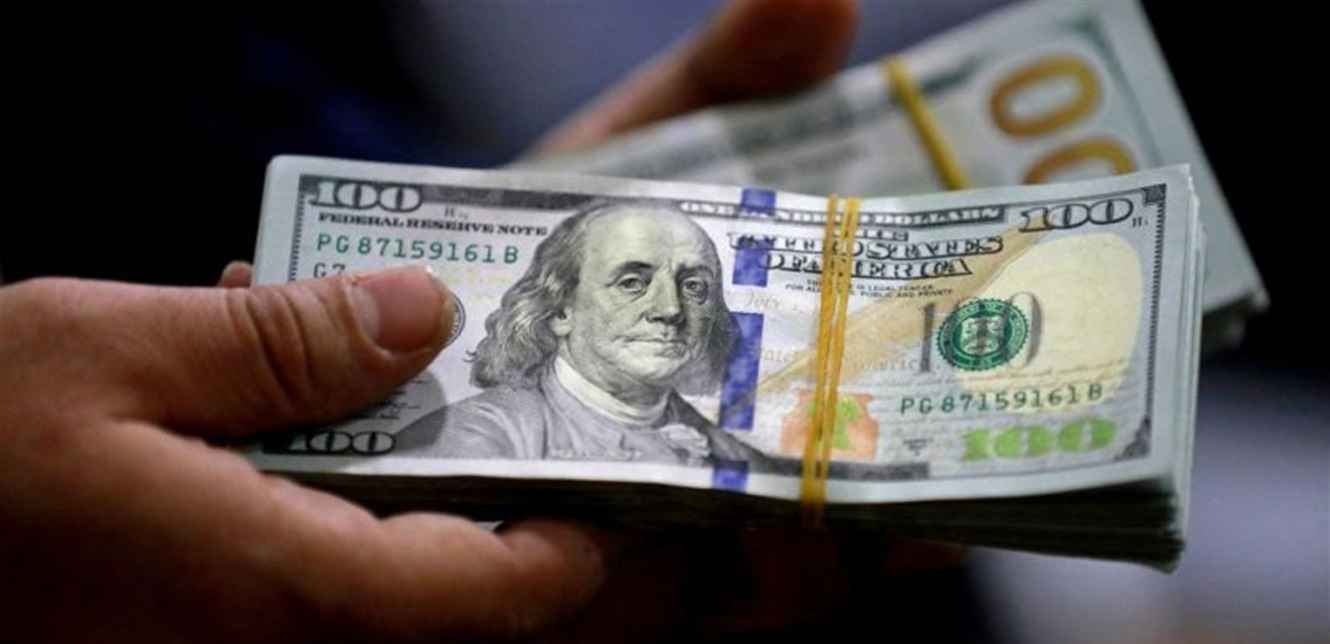
President Gustavo Petro has declared an economic emergency to impose new taxes after Congress rejected a tax reform intended to fund the 2026 budget.
The first leftist president in Colombia’s history is seeking to empower his government to levy special taxes to avoid a “financial crisis,” with eight months remaining before he leaves office.
On Monday, Petro issued a decree declaring a 30-day economic emergency.
He warned that the country is facing an “imminent financial crisis” that could lead to a “radical adjustment” in state finances and affect the “well-being of the population.”
An economic state of emergency is imposed in countries due to an unexpected economic disruption requiring urgent, exceptional measures, and authorities may resort to it to suspend usual rules.
Worsening Budget Deficit
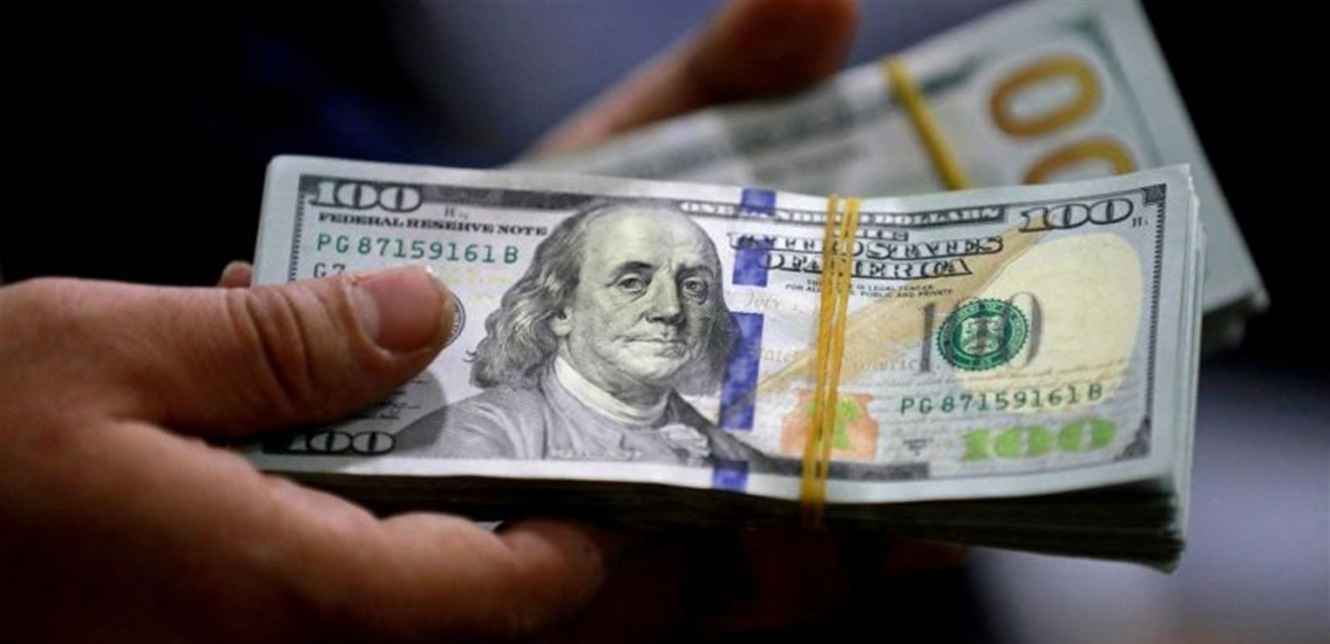
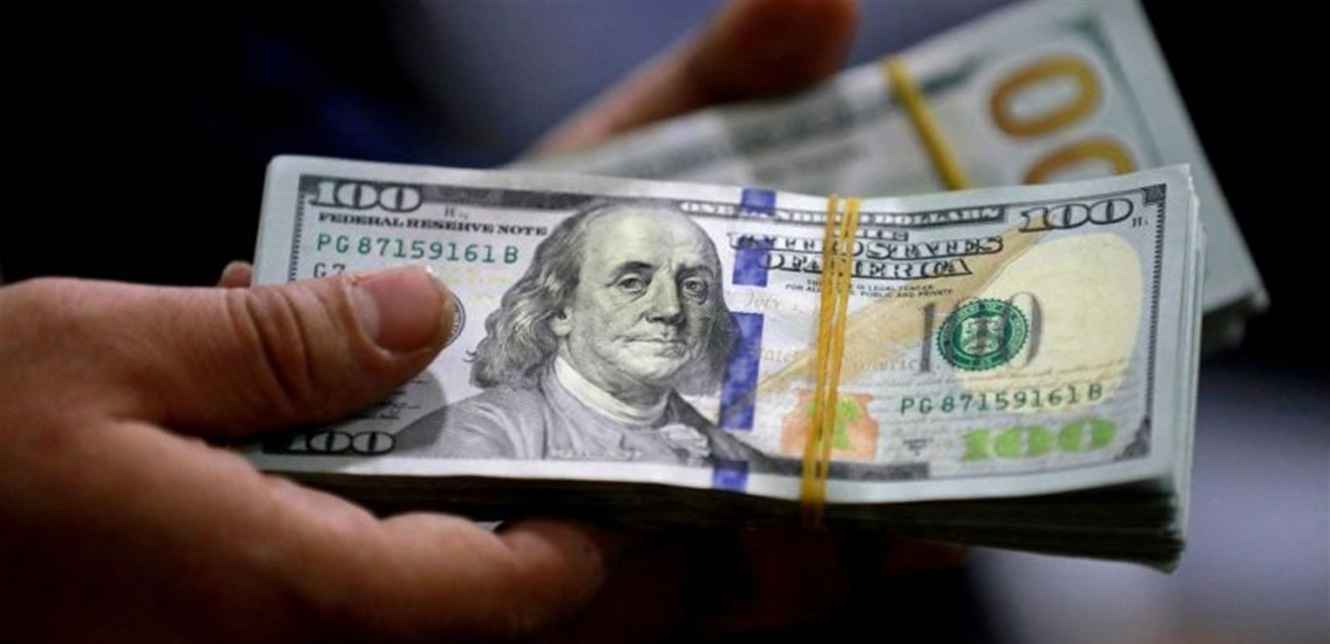
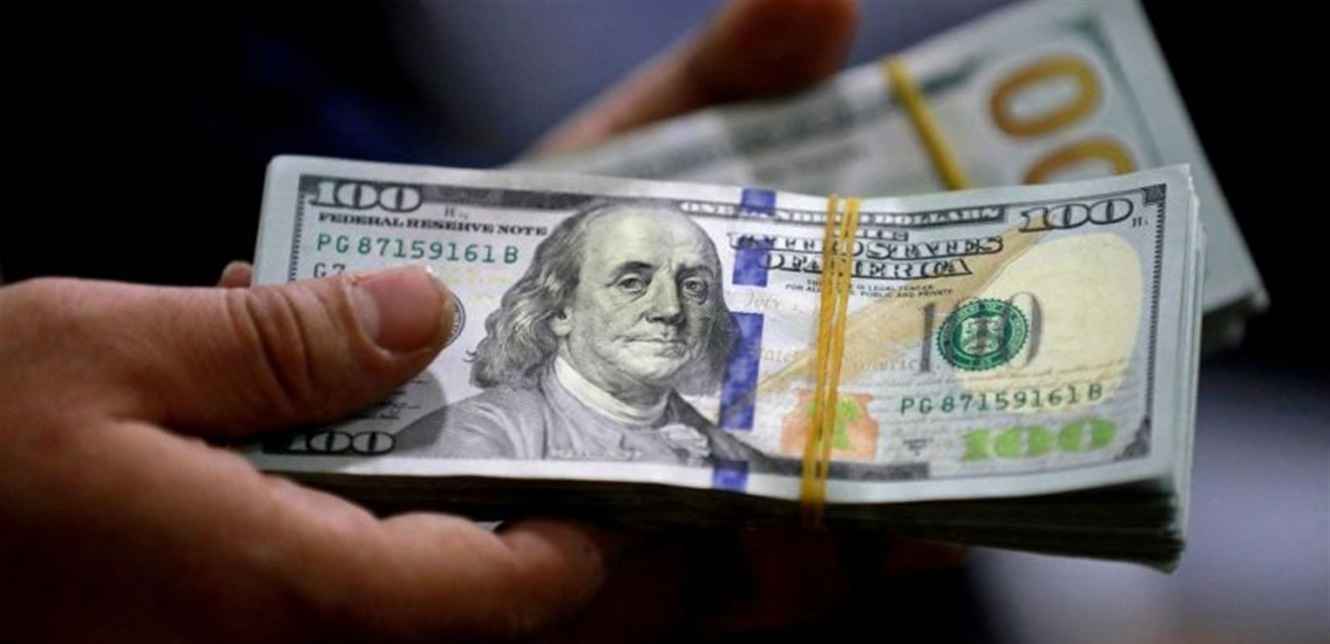
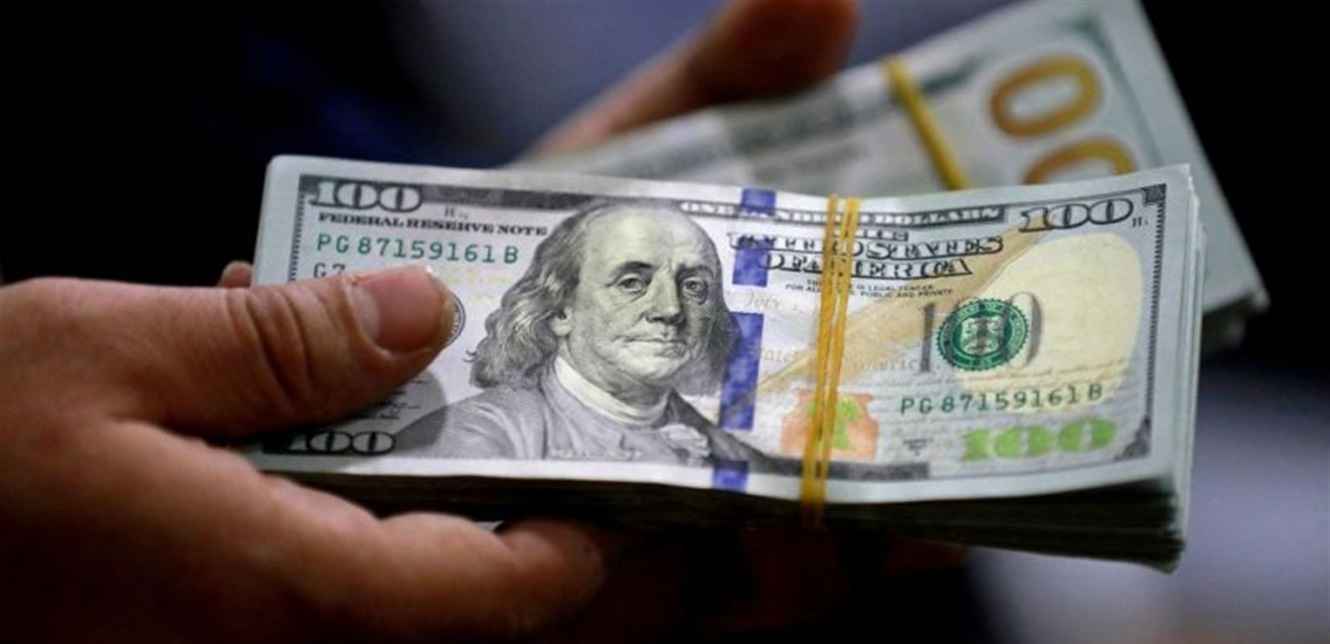
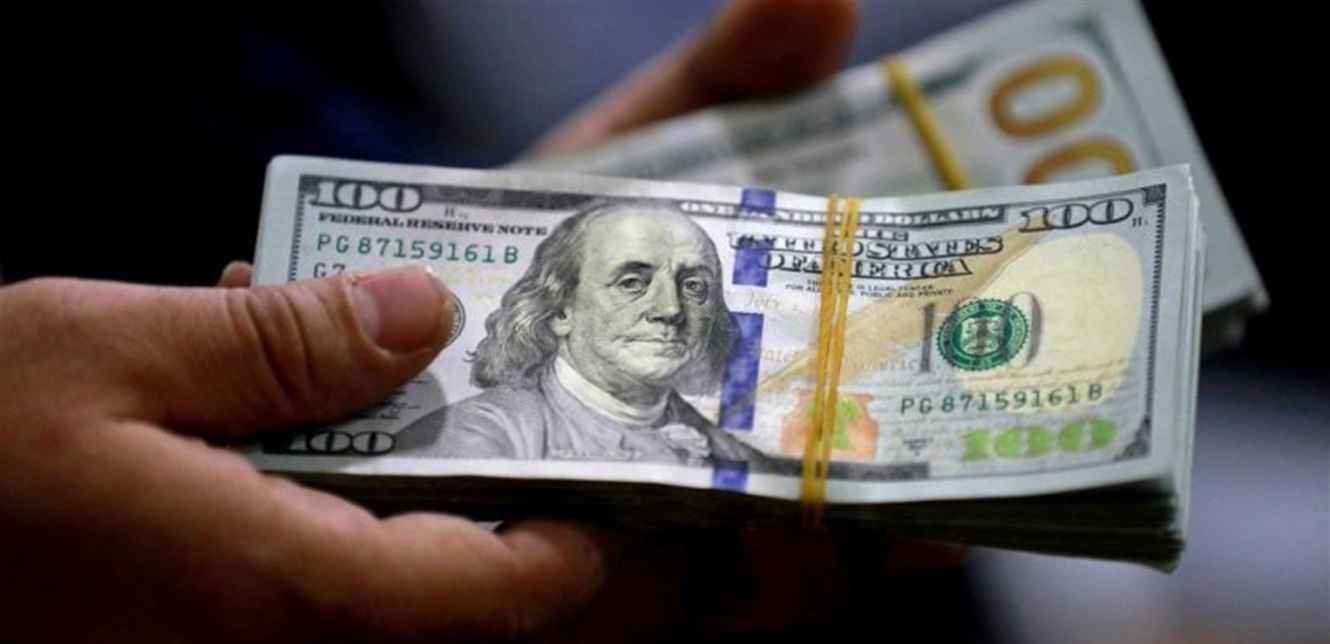
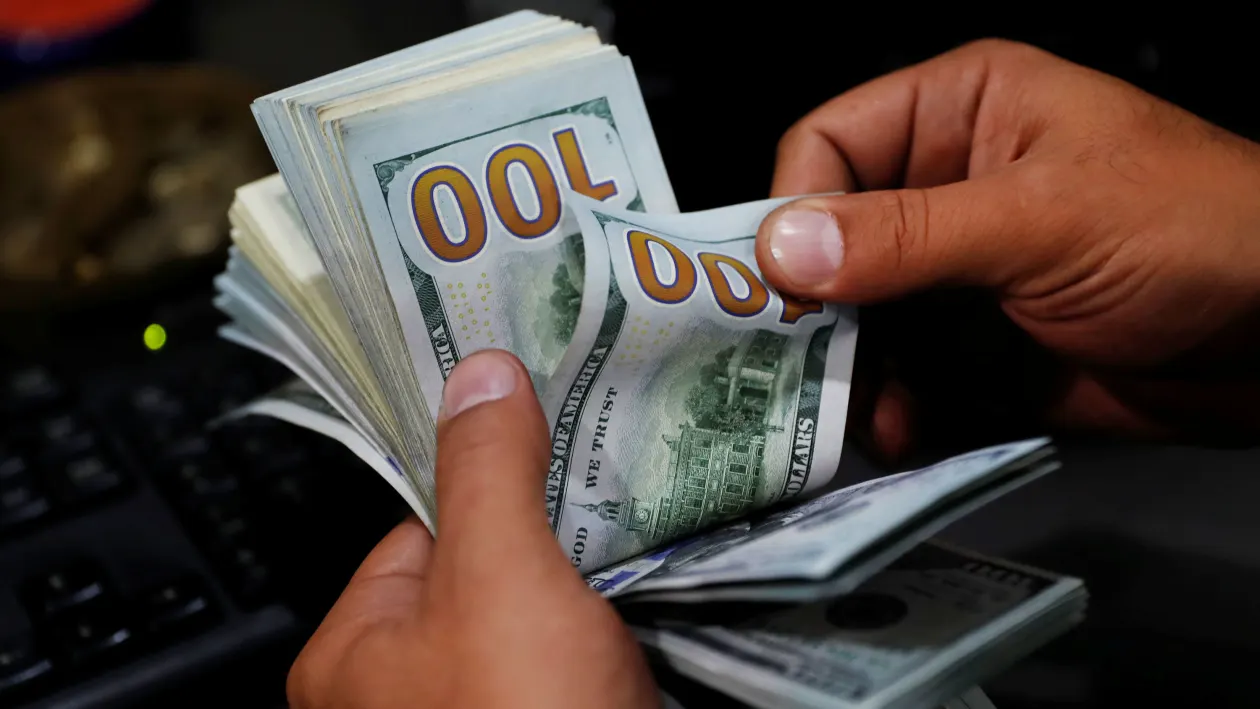
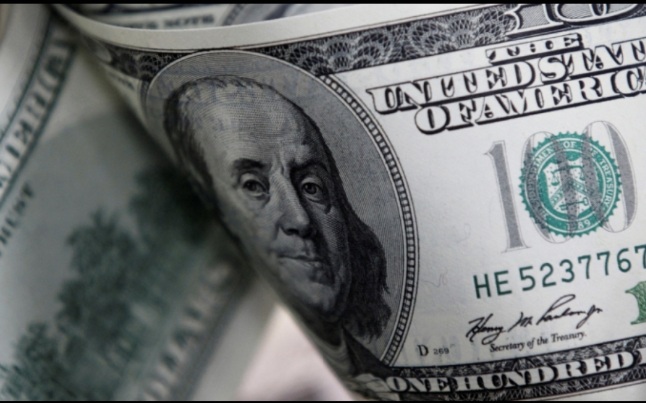
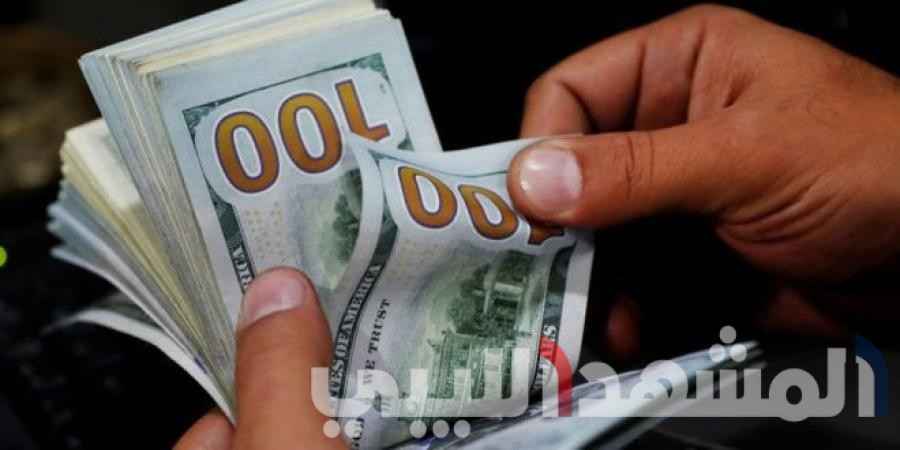
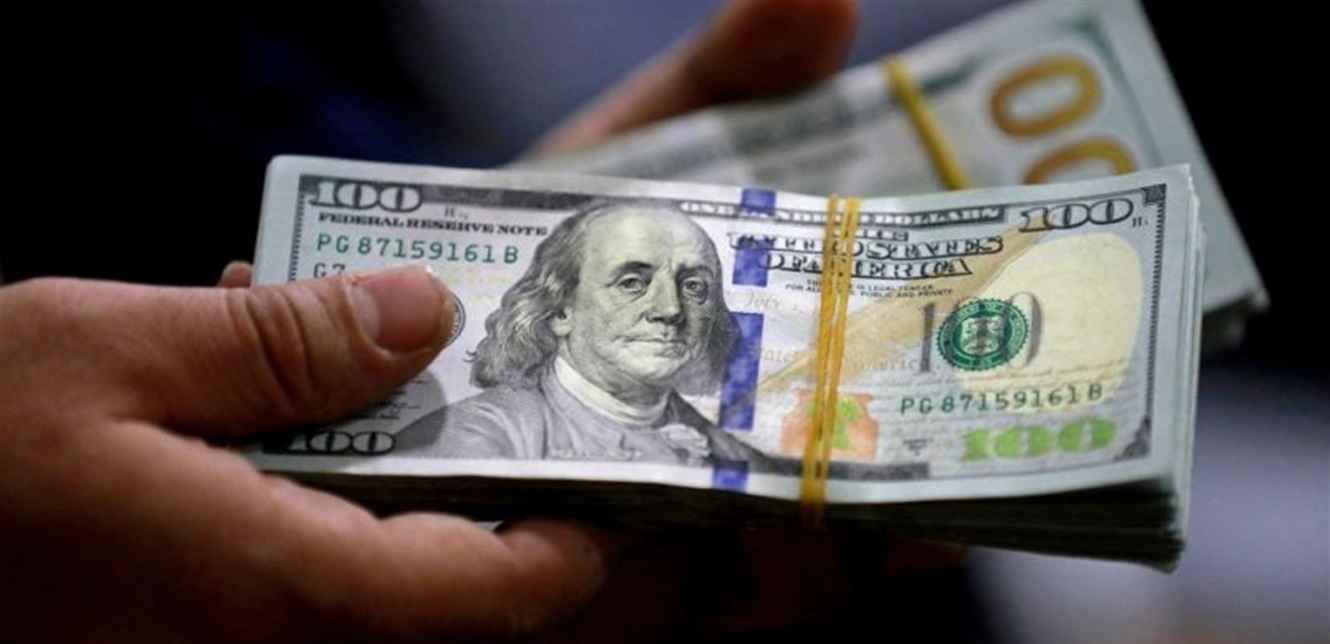
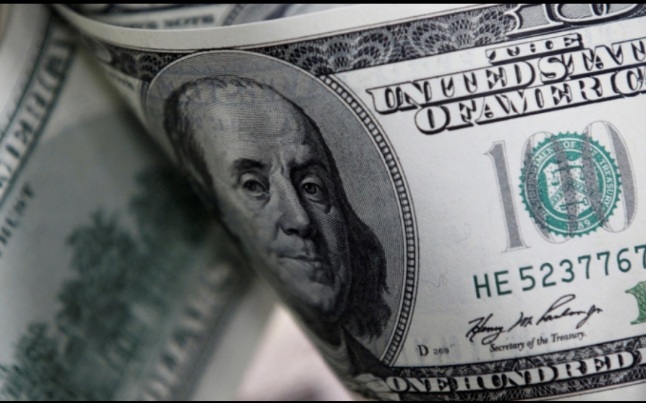
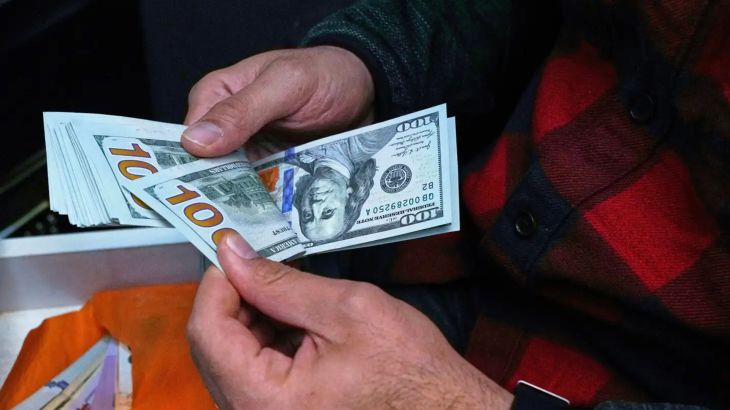
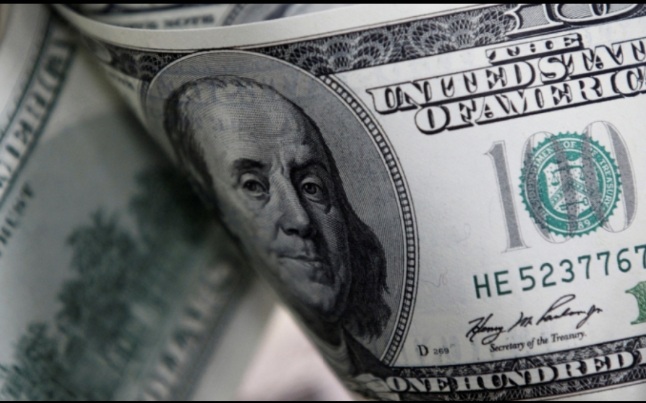
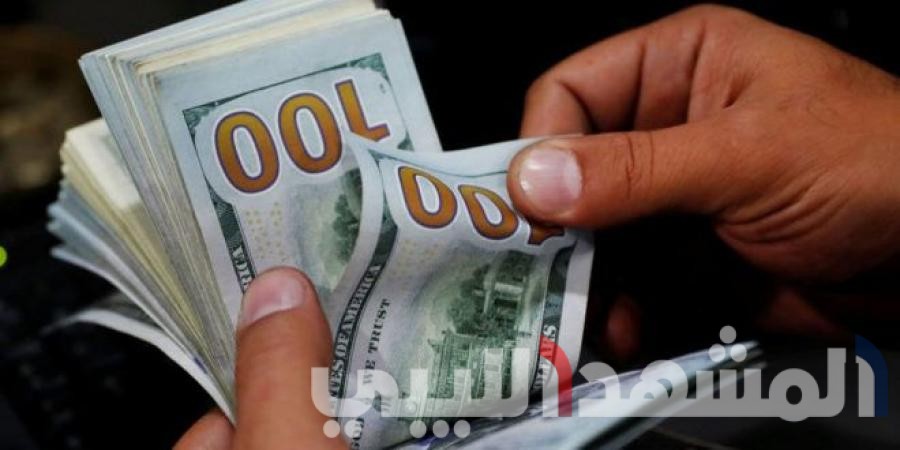
The Colombian government aims to raise $41 billion for next year, at a time when the country’s economy is improving, with analysts projecting GDP growth between 2.6% and 2.7% by the end of 2025.
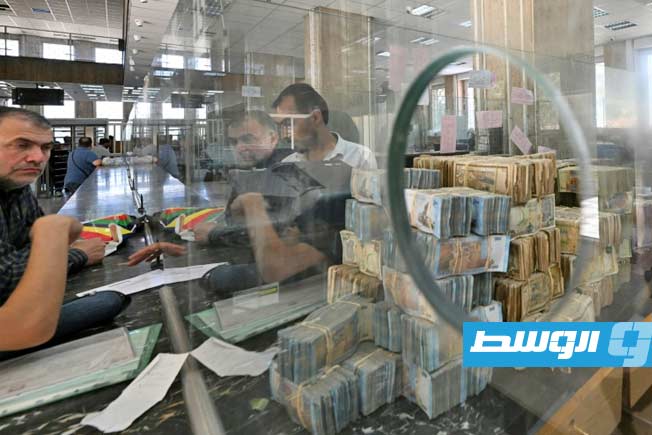
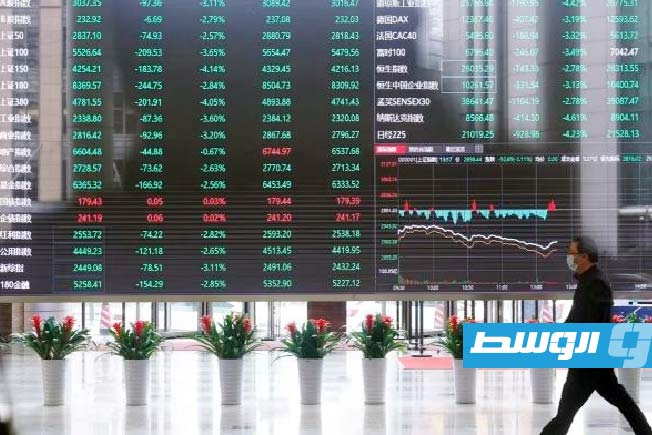
However, the budget deficit is worsening, with rising public spending and debt, without a significant increase in revenues. Analysts expect the deficit to exceed 7% this year, after it had increased by 2.5% between 2023 and 2024.
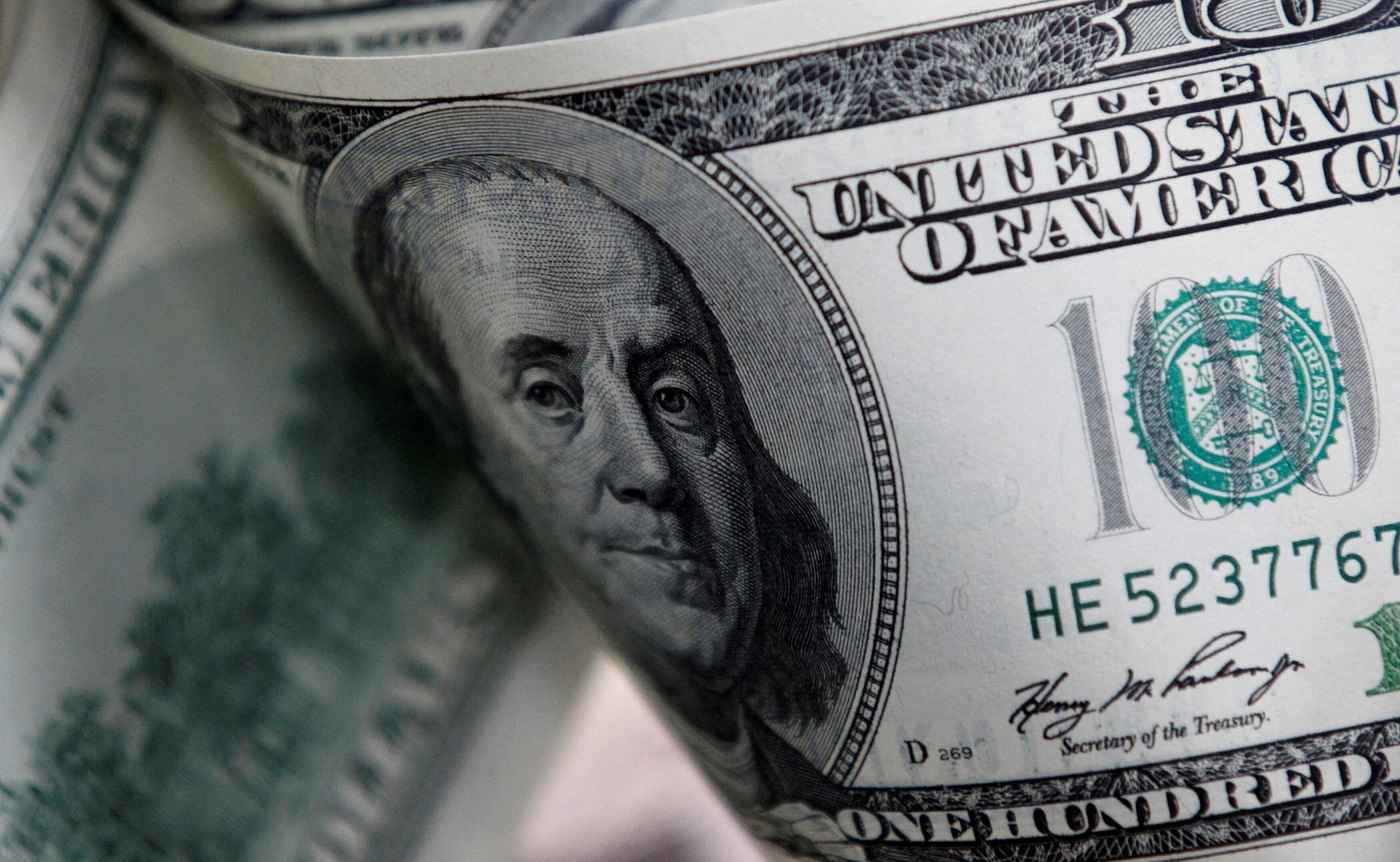
Petro had bet on closing the deficit with a tax reform aimed at raising approximately $4 billion through new fees to be included in the 2026 budget, but Congress rejected the project earlier this month.
Following the project’s rejection, the President stated via social media that the government “will not allow” a crisis to occur, warning of budget cuts if the state of emergency is not declared.
The nature of the special taxes the Colombian president might impose remains unclear.
Since the start of his term in 2022, Petro has pushed for reforms in the tax, healthcare, and labor market systems, but only reforms related to labor and pensions have been approved.
Colombia
Colombia is a South American country with a rich cultural history shaped by indigenous civilizations, Spanish colonization, and its role as a major producer of commodities like coffee and emeralds. Its cultural sites range from the pre-Columbian archaeological park of San Agustín to the historic walled city and port of Cartagena, a UNESCO World Heritage site.
Bogota
Bogotá is the capital and largest city of Colombia, founded in 1538 by Spanish conquistador Gonzalo Jiménez de Quesada on the site of the indigenous Muisca settlement of Bacatá. It serves as the country’s political, economic, and cultural center, known for its historic La Candelaria district, numerous museums like the Gold Museum, and its location on a high plateau in the Andes Mountains.
Jose Maria Cordova Military Cadet School
The José María Córdova Military Cadet School, located in Bogotá, Colombia, is the primary institution for training officers of the Colombian National Army. Founded in 1907, it is named in honor of General José María Córdova, a key hero of Colombian independence. The school’s rigorous academic and military program is designed to develop the nation’s future military leaders.
Santa Marta
Santa Marta is a coastal city in Colombia, founded in 1525 by Spanish conquistador Rodrigo de Galleguillo, making it the oldest surviving Spanish settlement in the country. It is historically significant as the place where Simón Bolívar died in 1830 and is a major tourist gateway to the Sierra Nevada de Santa Marta mountains and Tayrona National Park.
EU-CELAC summit
The EU-CELAC summit is a biennial meeting between the European Union and the Community of Latin American and Caribbean States, first held in 1999 to strengthen political dialogue and cooperation. It serves as a key forum for addressing shared challenges and fostering partnerships on trade, climate change, and sustainable development between the two regions.