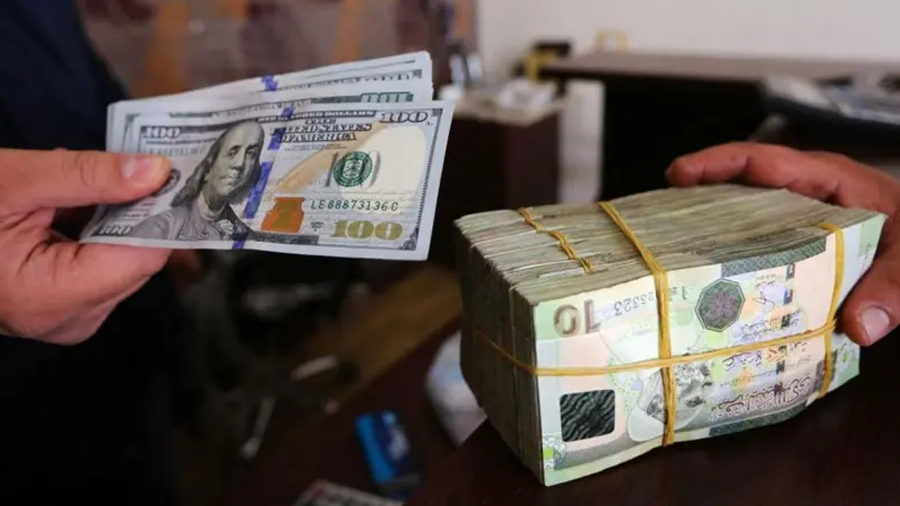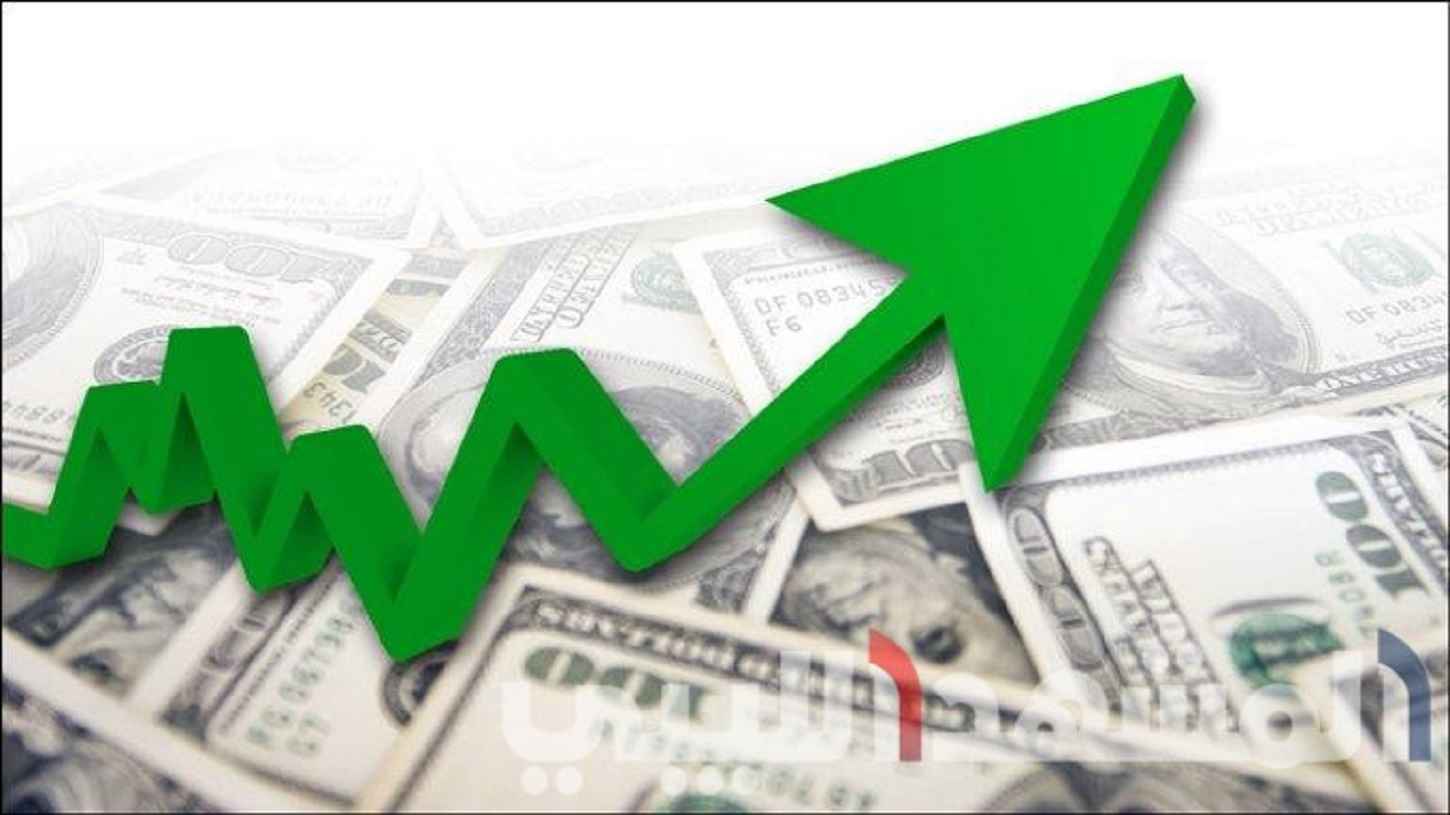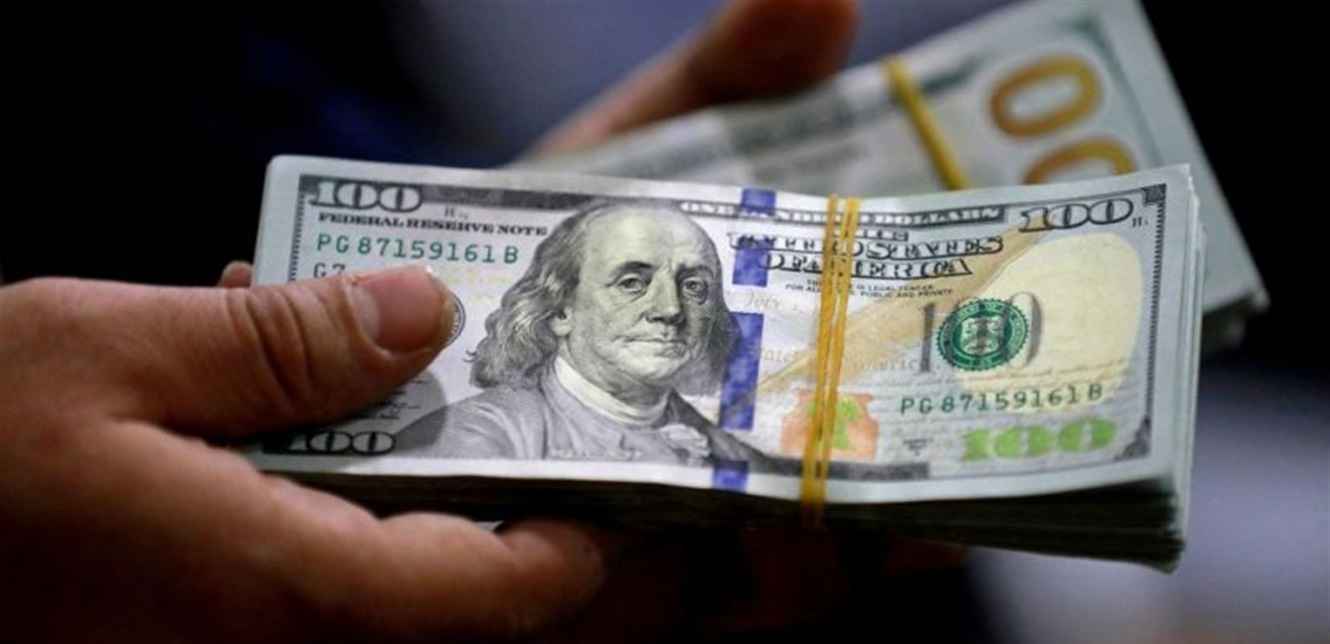
The U.S. economy grew at a faster pace than expected in the third quarter of the year, driven by strong consumer spending. However, its momentum appears to have faded amid rising living costs and the latest government shutdown.
In a preliminary estimate, the Bureau of Economic Analysis stated that output increased at an annual rate of 4.3% in the third quarter, up from the 3.3% growth forecast by economists.
Output had grown 3.8% in the second quarter.
The data release was delayed due to a 43-day government shutdown and became outdated. Consumer spending rose 3.5% in the third quarter after increasing 2.5% in the second quarter.
Consumer Spending
The acceleration in consumer spending is largely attributed to a rush to purchase electric vehicles before tax credit exemptions expired on September 30. Car sales declined in October and November, while spending in other sectors varied.
The Congressional Budget Office estimated that the shutdown could reduce fourth-quarter GDP growth by between one and two percentage points. The office predicted that most of the decline in GDP would be offset, but estimated that between $7 billion and $14 billion would not be recovered.
Opinion polls indicate that high-income households are leading consumer spending, thanks to a stock market boom that has inflated household wealth.
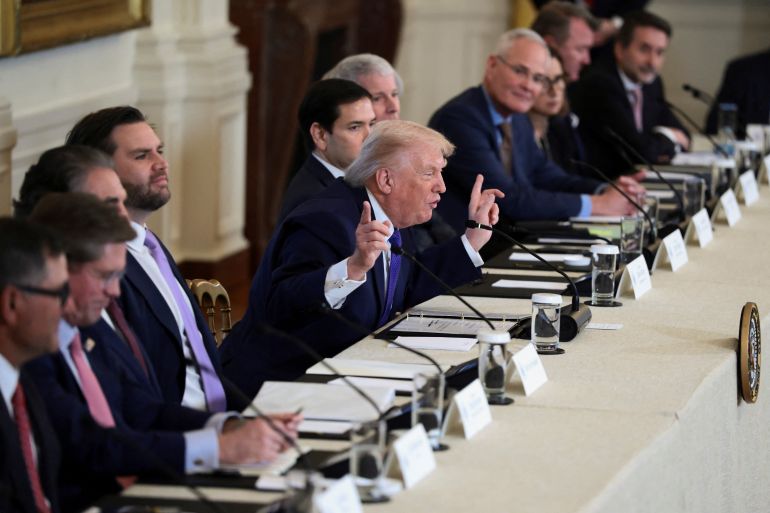
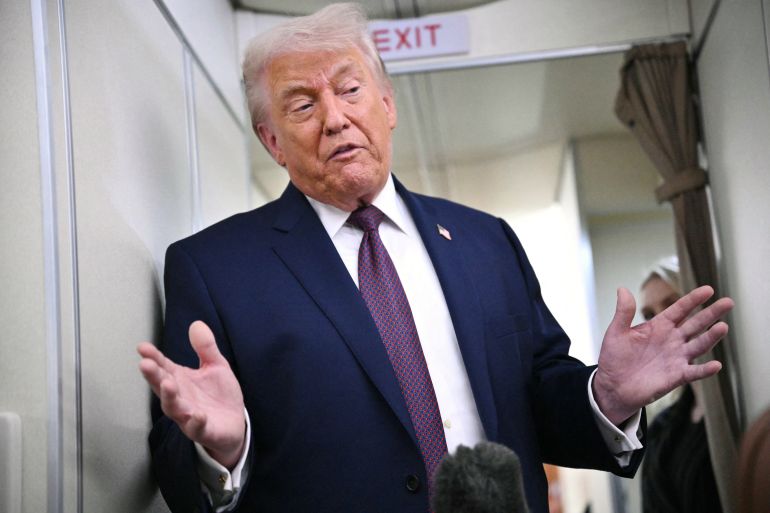
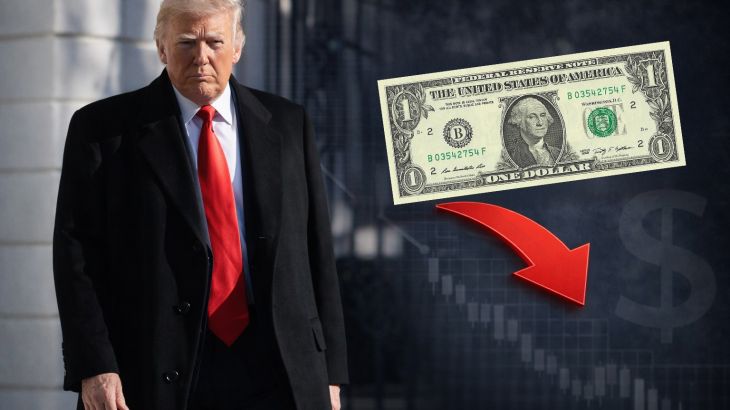
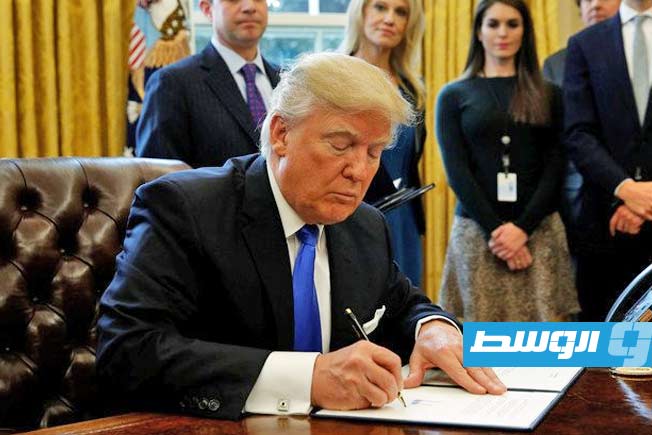
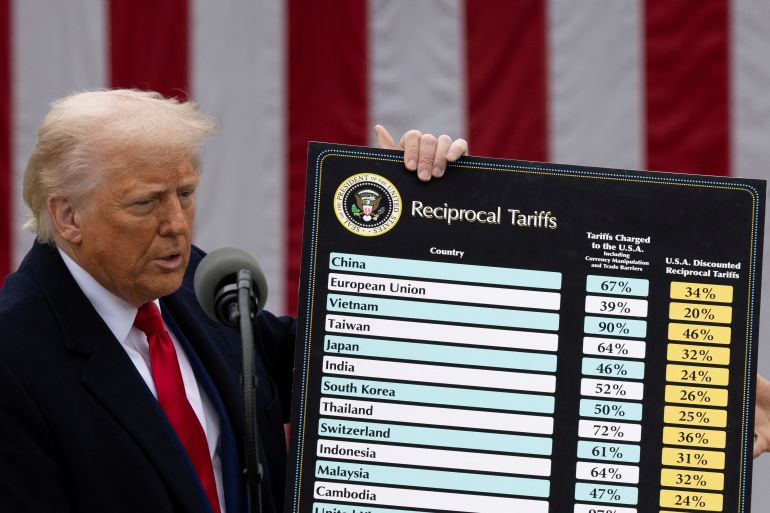
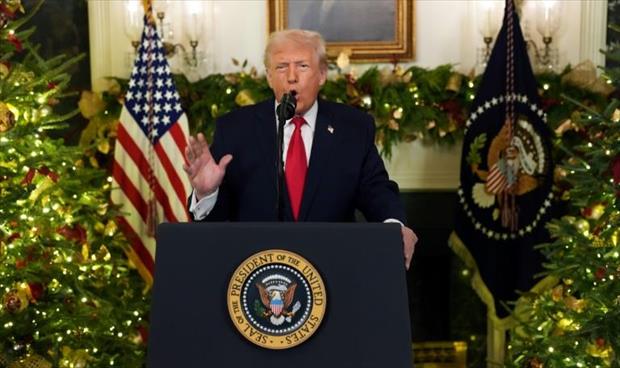
Economists say that middle- and low-income consumers, in contrast, are struggling under rising living costs resulting from comprehensive tariffs imposed by the President.
This phenomenon is also widespread among businesses. Economists stated that large companies have mostly been able to withstand the blow from import tariffs that increased costs, but small businesses are suffering from the duties.
Affordability Crisis
The policies are contributing to what economists describe as an affordability crisis that is affecting his popularity. Households are also facing rising utility bills as the growth of artificial intelligence and cloud computing data centers accelerates electricity demand. Meanwhile, some will face significant increases in health insurance premiums in 2026.
The Federal Reserve cut its benchmark overnight rate by another 25 basis points this month to a range of 3.50% to 3.75%. However, it indicated that borrowing costs are unlikely to decrease in the near term, as policymakers await more clarity on the direction of the labor market.