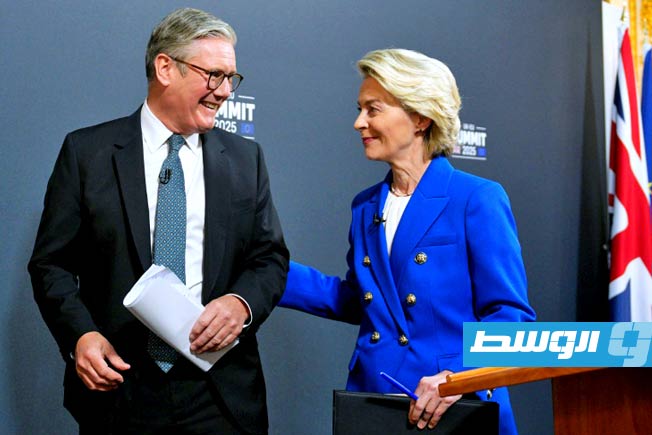
Calls within the British Labour Party to rejoin the European Customs Union have intensified, most recently from British Health Secretary Wes Streeting, and before him from Deputy Prime Minister and Justice Secretary David Lammy, in addition to a broad section of the party’s members in Parliament and its voters who believe Britain would gain significantly from returning to the union.
Streeting, one of the leading candidates to succeed the Prime Minister as Labour leader, stated in a newspaper interview that broader trade relations with Europe would increase the growth of the British economy. This direction is supported by the majority of voters who support the Labour Party, according to a recent opinion poll.
An opinion poll showed that 80% of voters who voted for the Labour Party in the recent election support joining the European Customs Union and support new party leadership negotiating a new trade agreement.
The poll showed support for this pro-Europe direction from voters supporting other parties, especially among supporters of the Liberal Democrats and the Green Party.
It was noted that Streeting’s position represents a direct challenge to Starmer, who recently confirmed there would be no change regarding Britain’s membership in the European Customs Union.

Why return to the Customs Union?
Streeting stated in his interview that Britain received a “huge economic blow” due to its exit from the European Union, or “Brexit,” which was finalized on January 31, 2020.
Streeting emphasized the “enormous economic benefits of being in the European single market and the customs union,” which Britain lost after leaving the EU.
He explained that joining the European Customs Union does not necessarily mean restoring the free movement of labor from European countries to Britain, which was the factor that caused many Britons to vote in favor of leaving the EU in the referendum held on June 23, 2016.
However, Britain rejoining the EU in full, not just joining a customs union agreement, means a return to the free movement of labor, an issue that causes wide division among British voters.
Political Reasons
In this context, Streeting spoke about the importance of the Labour Party’s position on Europe for winning the upcoming elections against the hard-right Reform Party, whose leader was one of the most prominent advocates for Britain’s exit from the European Union.
Streeting confirmed that the same policy advocated by the Reform Party should not be followed, adding, “These are not our values… We must defeat them, not join them.”
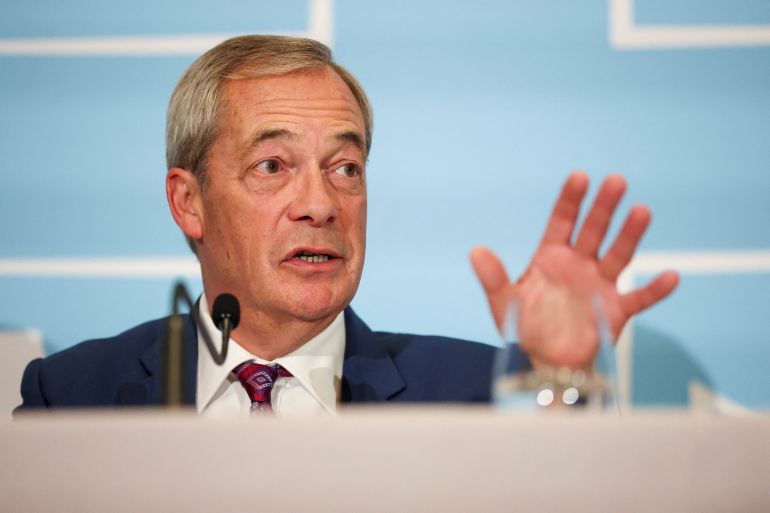
It was reported that Streeting’s position on the European Customs Union aligns with the aspirations of Labour Party members and its voter base, who overwhelmingly support strengthening relations with Europe.
“Resetting” is Not Enough
It was added that a growing number of Labour MPs in Parliament, including some ministers, are dissatisfied with Starmer’s promises to “reset” the relationship between Britain and the European Union. They see this as an unambitious policy and believe that deeper relations with the union would give a strong boost to British economic growth.
It was mentioned that what Labour MPs were saying to journalists privately in off-the-record conversations has now become public, expressing a growing desire for broader relations with Europe. It was noted that David Lammy, the Deputy Prime Minister, said that returning to the European Customs Union is “desirable,” giving the example of countries that benefit from being in this union.
It was reported that during what was described as a “disastrous attempt to expose a coup” that Streeting was allegedly