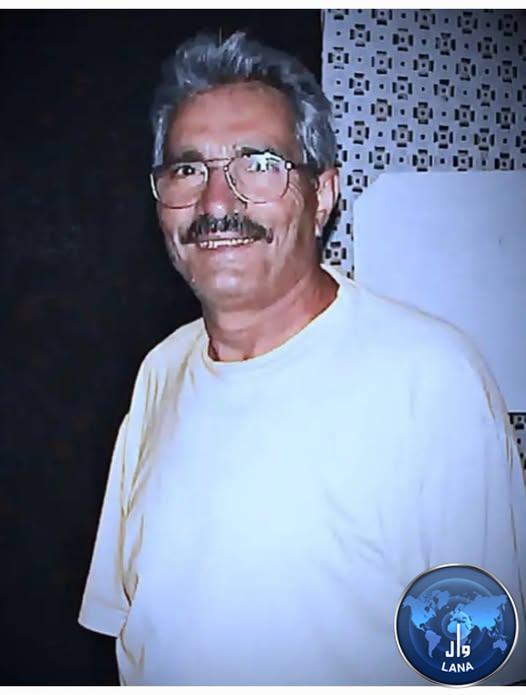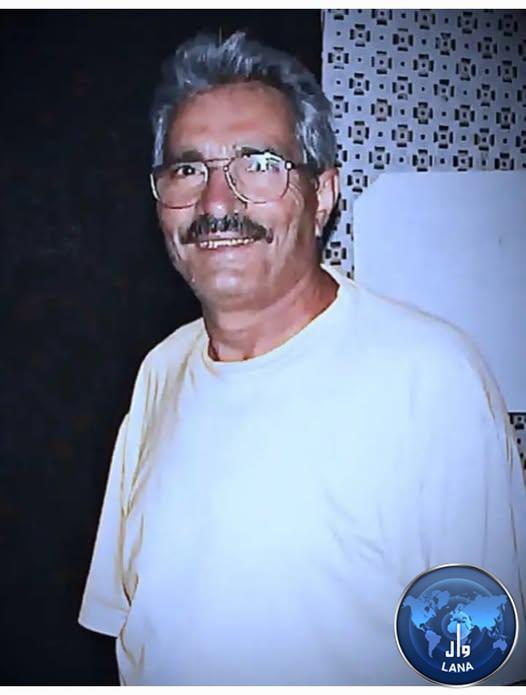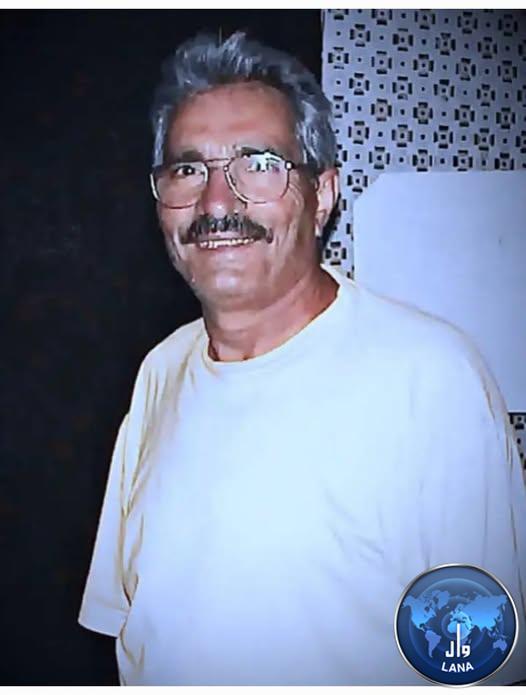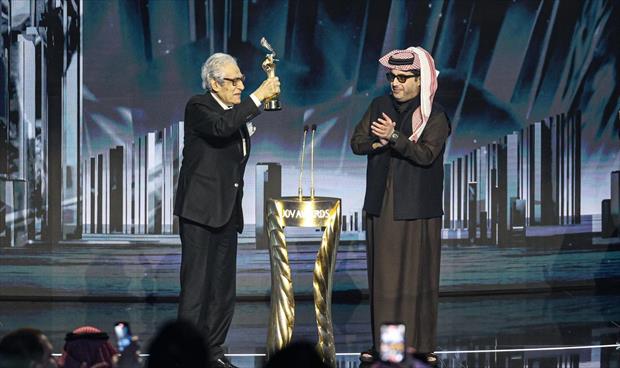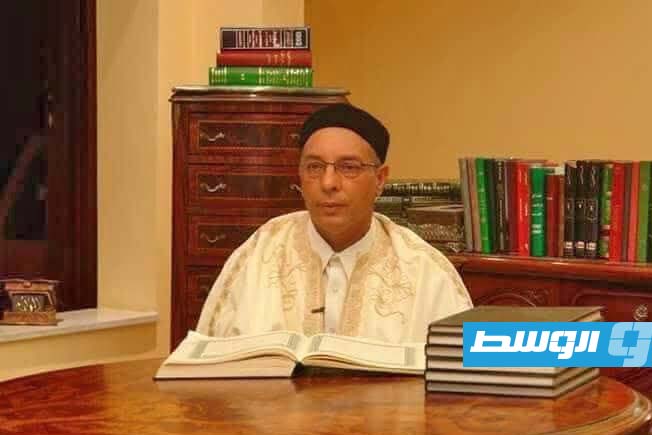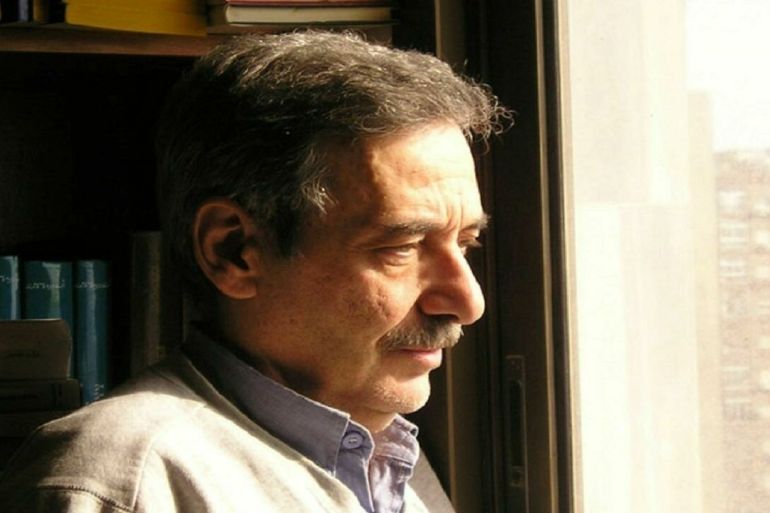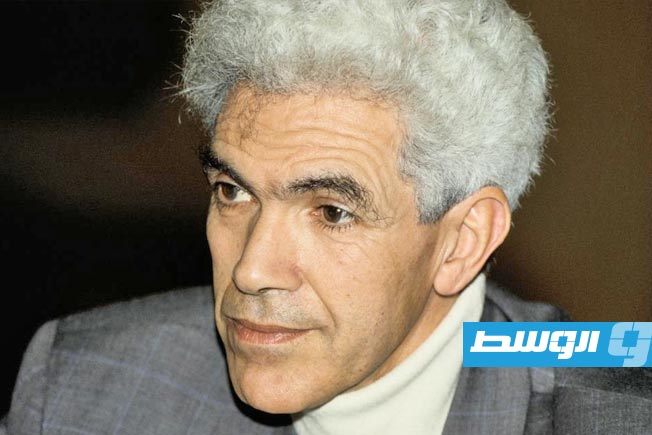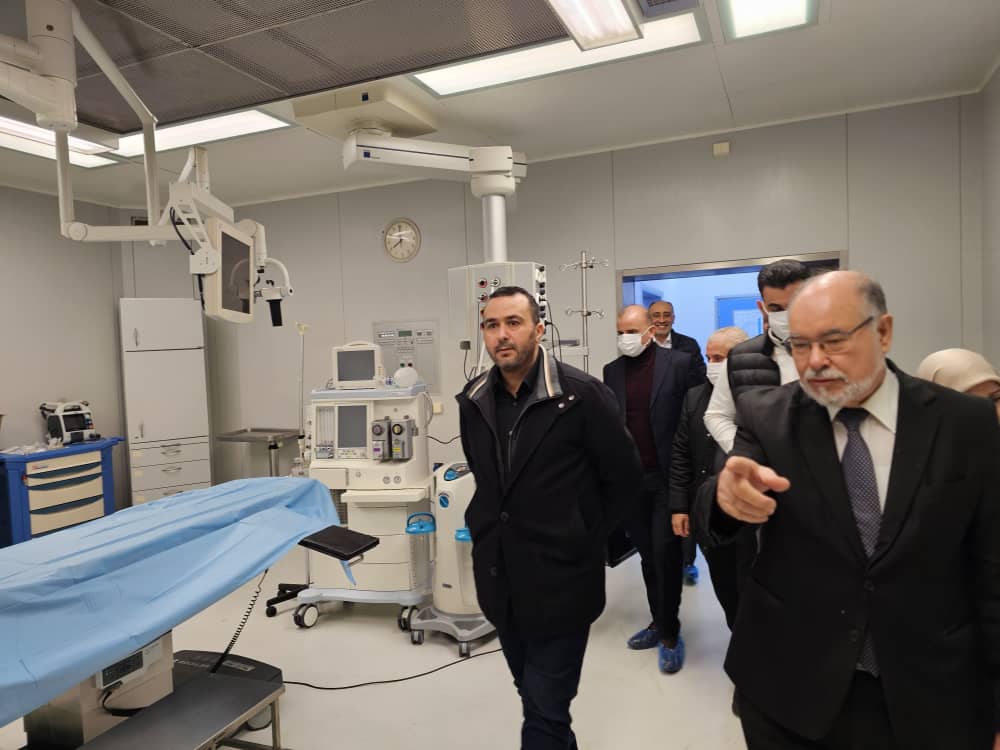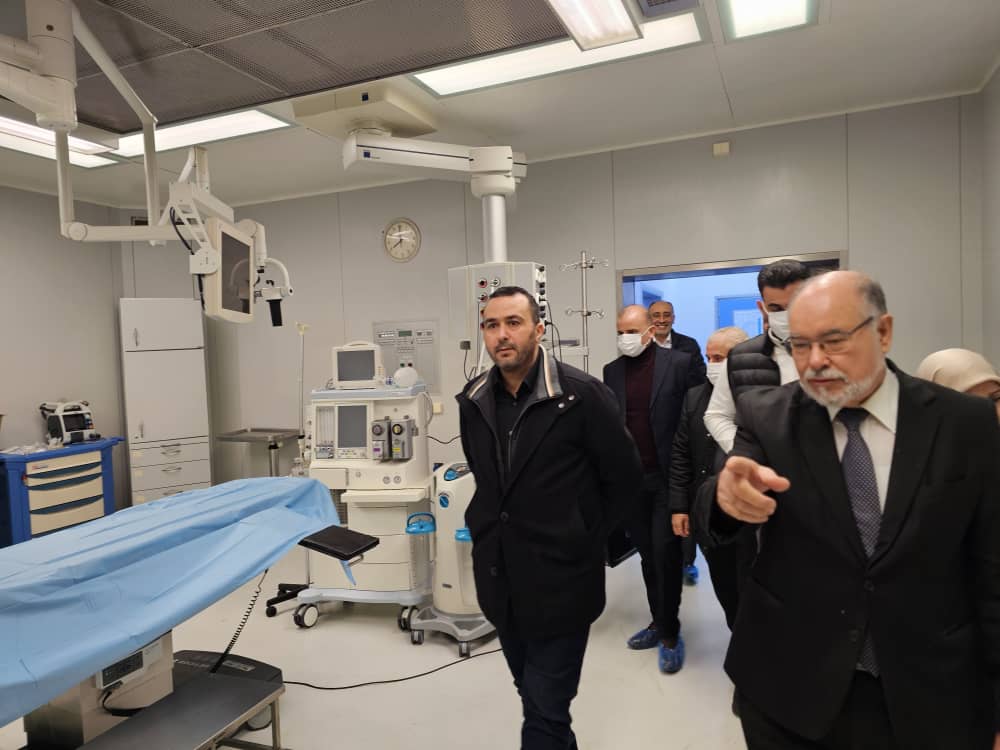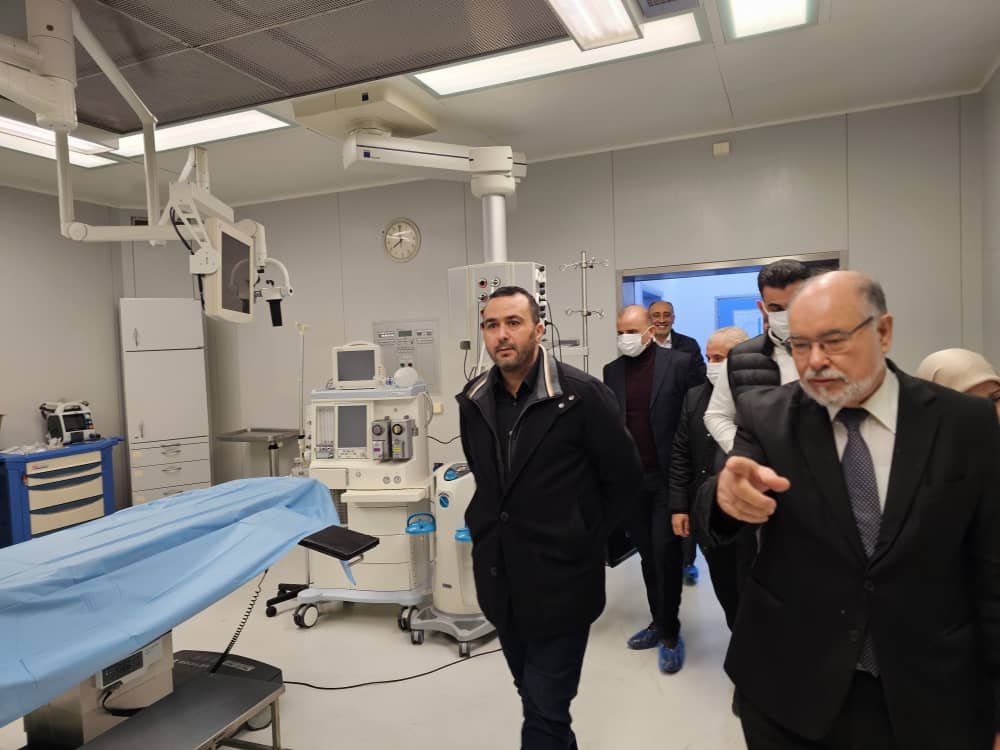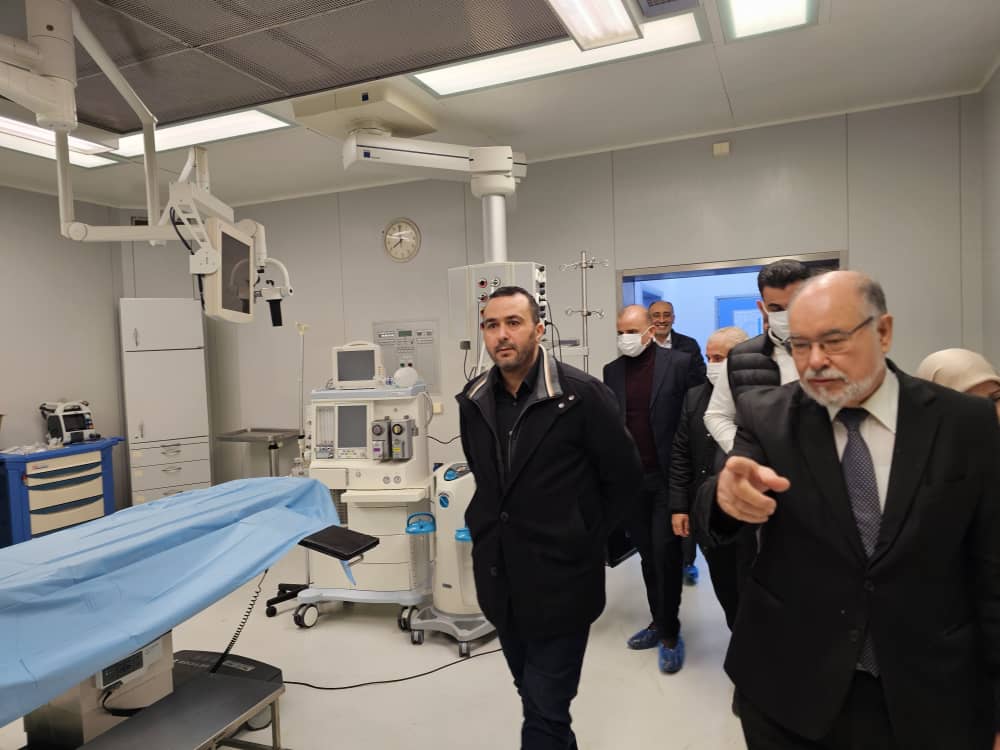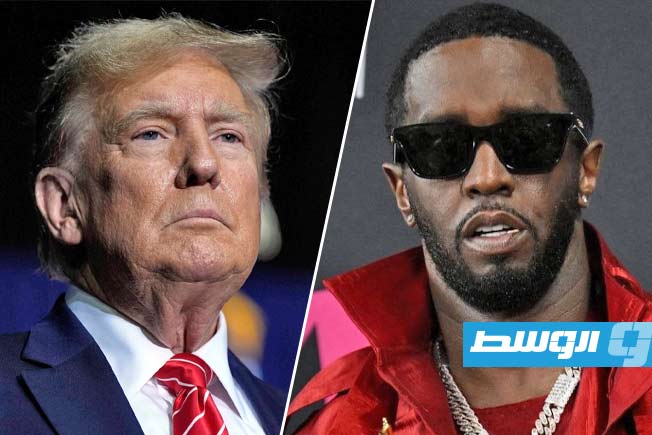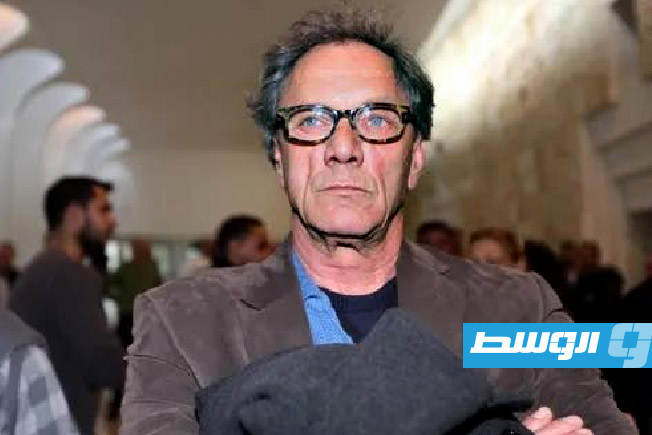
Amid the ongoing detention of the Islamic thinker and leader of Tunisia’s Ennahda Movement, Rached Ghannouchi, and coinciding with the issuance of new consecutive rulings against Sheikh Rached Ghannouchi, the issue of “Democratic Islam” has returned to the forefront of political and intellectual debate. This resurgence comes in light of the Tunisian experience, which was a model for democratic transition—a transition that, according to observers, has witnessed a significant decline, especially with Ghannouchi’s continued detention since April 2023 and the issuance of sentences against him, the latest being a prison sentence related to audits of financial transactions for parliament members after the 2019 elections, the session during which Ghannouchi served as Speaker of Parliament.
This situation lends urgent importance to understanding Rached Ghannouchi’s significant intellectual project. What is the intellectual legacy Ghannouchi is trying to leave at the crossroads of divine sovereignty and popular will? And what are the foundations of the “Muslim Democracy” project that Ghannouchi struggled to establish?
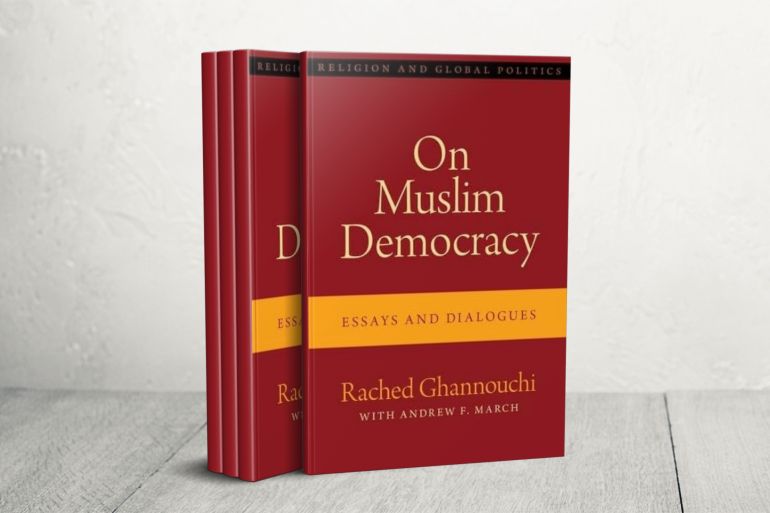
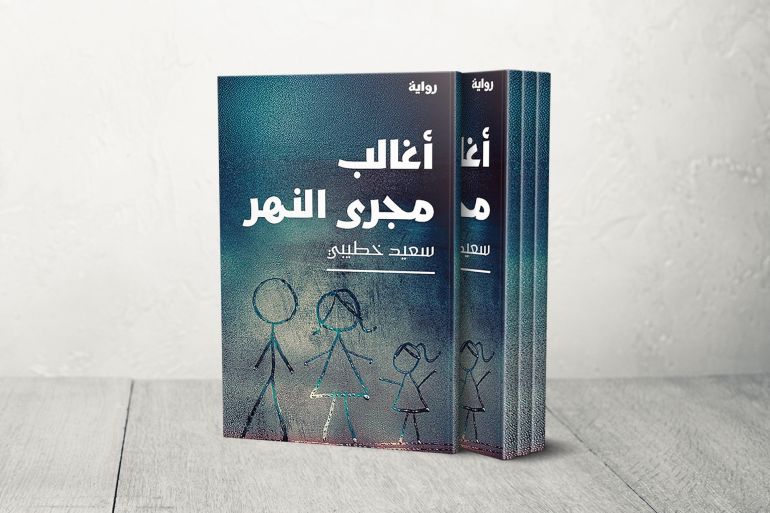
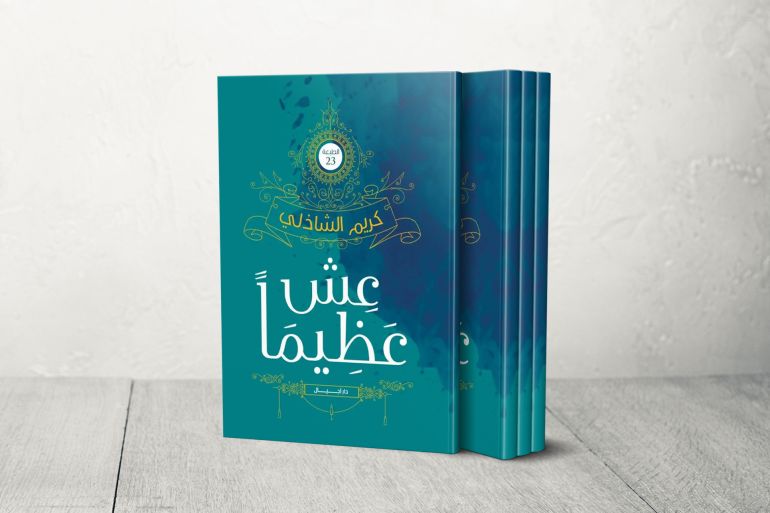
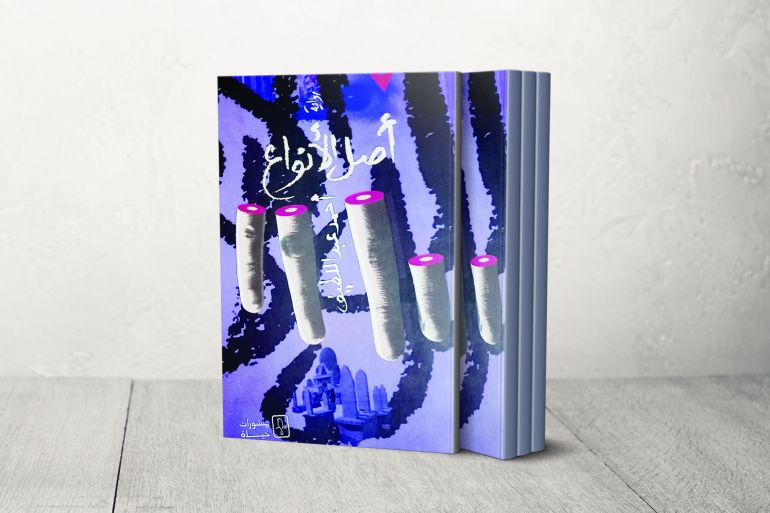
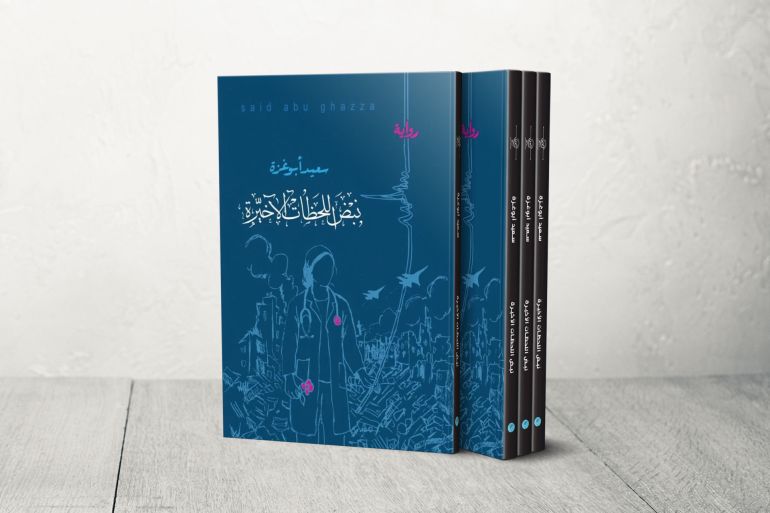
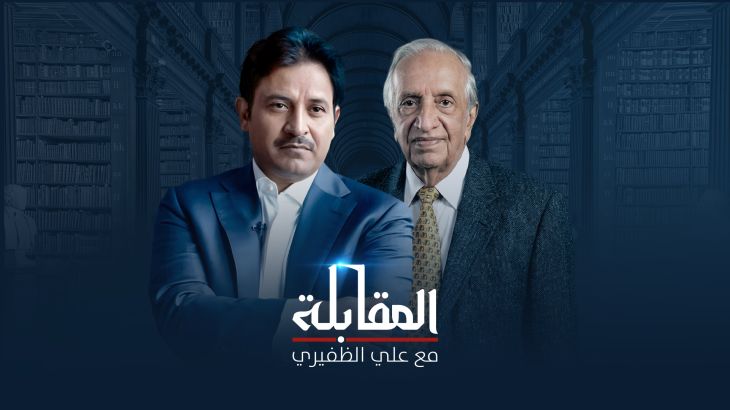
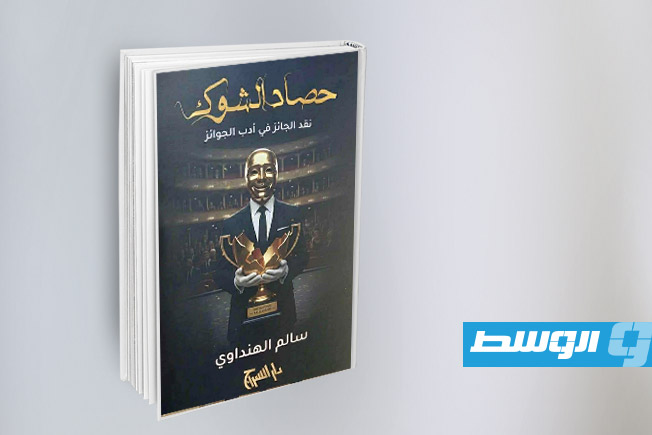
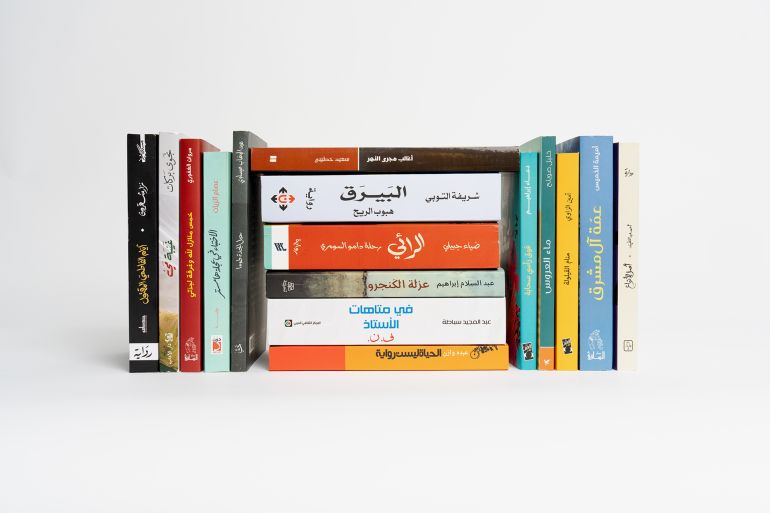
This notable work discusses the profound intellectual transformations Ghannouchi underwent, not only as a political jurist or party leader, but as a thinker who attempted to redefine the relationship between Sharia and democracy, between divine sovereignty and popular will, within a pluralistic and complex social and political reality. Through an extensive dialogue with Ghannouchi over years, it was possible to trace the evolution of these ideas and deconstruct the existing tensions between the Islamic ideal and political pragmatism.
In this dialogue, we explore how the relationship with Ghannouchi’s ideas began and what attracted him to his philosophical and political project. We then move to analyze the dimensions of the shift from political Islam to Muslim Democracy, questions of legitimacy, sovereignty, and the constitution, and finally to the outcomes of the Tunisian experience after Kais Saied’s coup and the reality of political Islam in an increasingly closed Arab world.
-
How did your relationship with Rached Ghannouchi’s thought begin? And what was the nature of your dialogue, based on two different foundations—one belonging to the Western context and the other to the Islamic context—in interacting with concepts of freedom, democracy, and political practice?
First, allow me to pay tribute to Sheikh Rached Ghannouchi, who remains in the prisons of Kais Saied to this day, under harsh conditions and severe hardship. I hope we all remember him, as he is the source of the ideas we are discussing now.
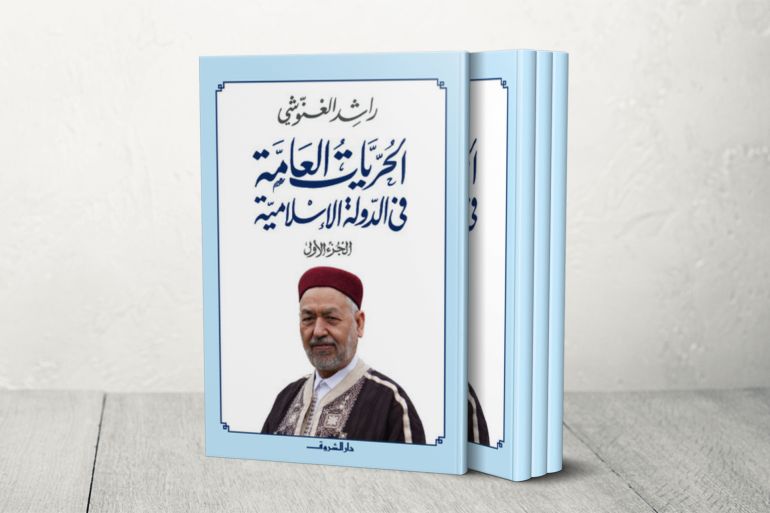
My relationship with Sheikh Ghannouchi’s thought began by chance when I was reading his important book “Public Freedoms in the Islamic State,” in the context of my research on the origins of jurisprudence, modernity, and the construction of Islamic legislation. However, what truly caught my attention was the concept of “Popular Caliphate,” which later became the central idea upon which I built an entire thesis on the evolution of this idea from the classical Islamic conception to the post-Arab Spring period in 2011.
I discovered in the Sheikh’s thought a theological and philosophical depth worthy of study alongside Western political theories. In the context of my work on a series of political translations with Yale University, I decided to propose translating the book “Public Freedoms” into English. Thus began the direct relationship with the Sheikh, whom I later met during the democratic transition period in Tunisia.
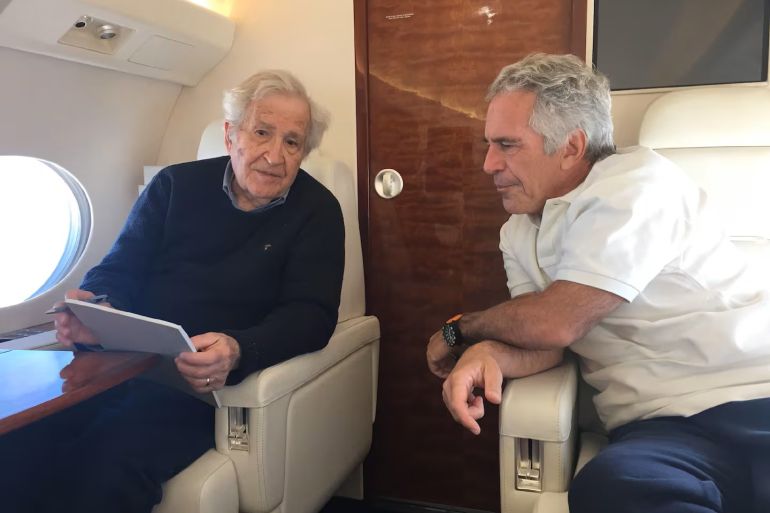
When the Ennahda Movement officially announced in 2016 its abandonment of “political Islam” and adoption of “Muslim Democracy,” I visited Sheikh Rached at his home and proposed that we work together on a joint intellectual project. The goal was simple and clear: