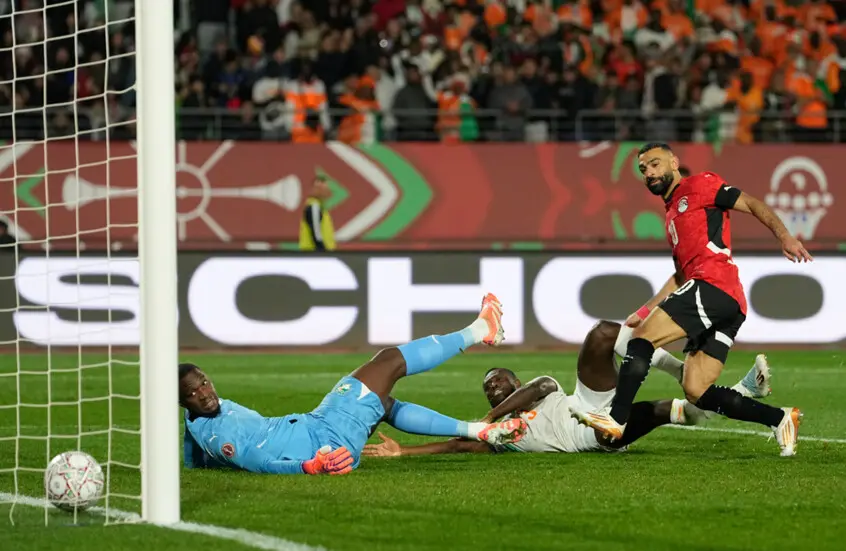
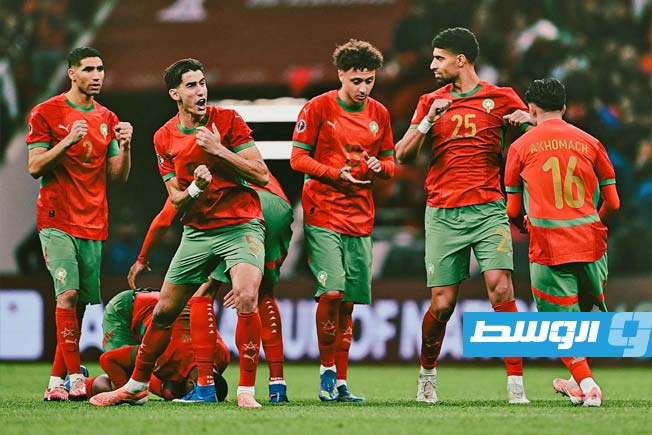
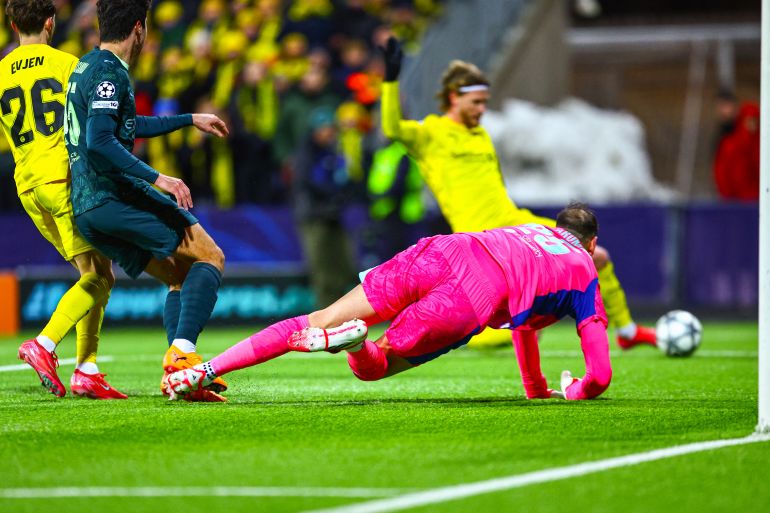
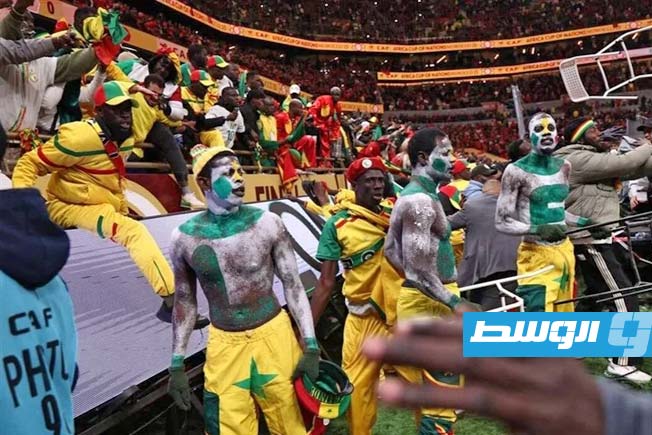
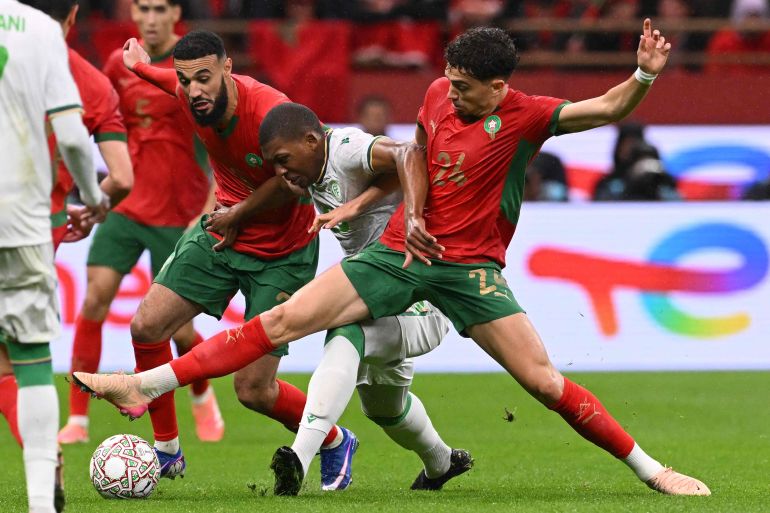
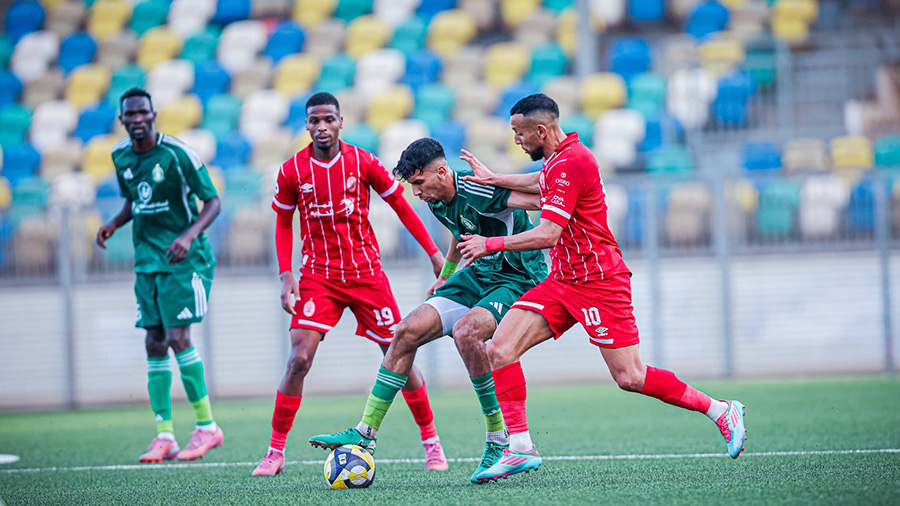
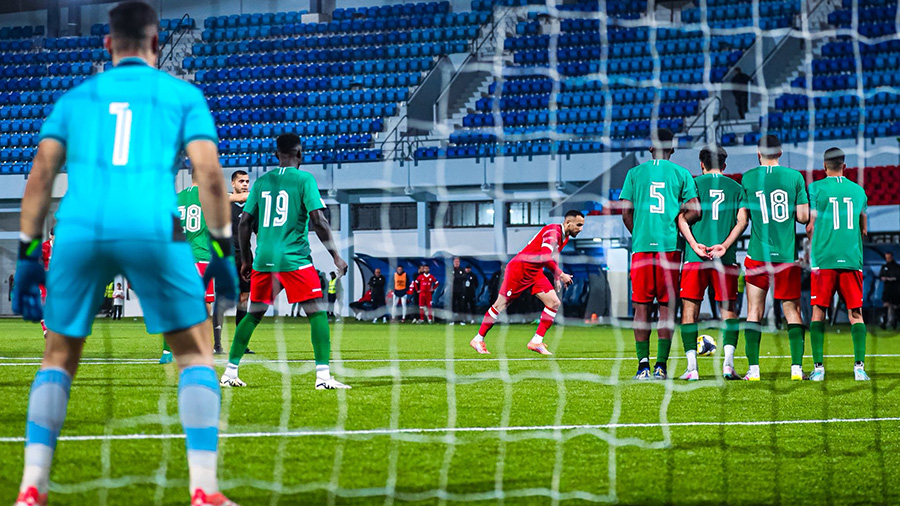
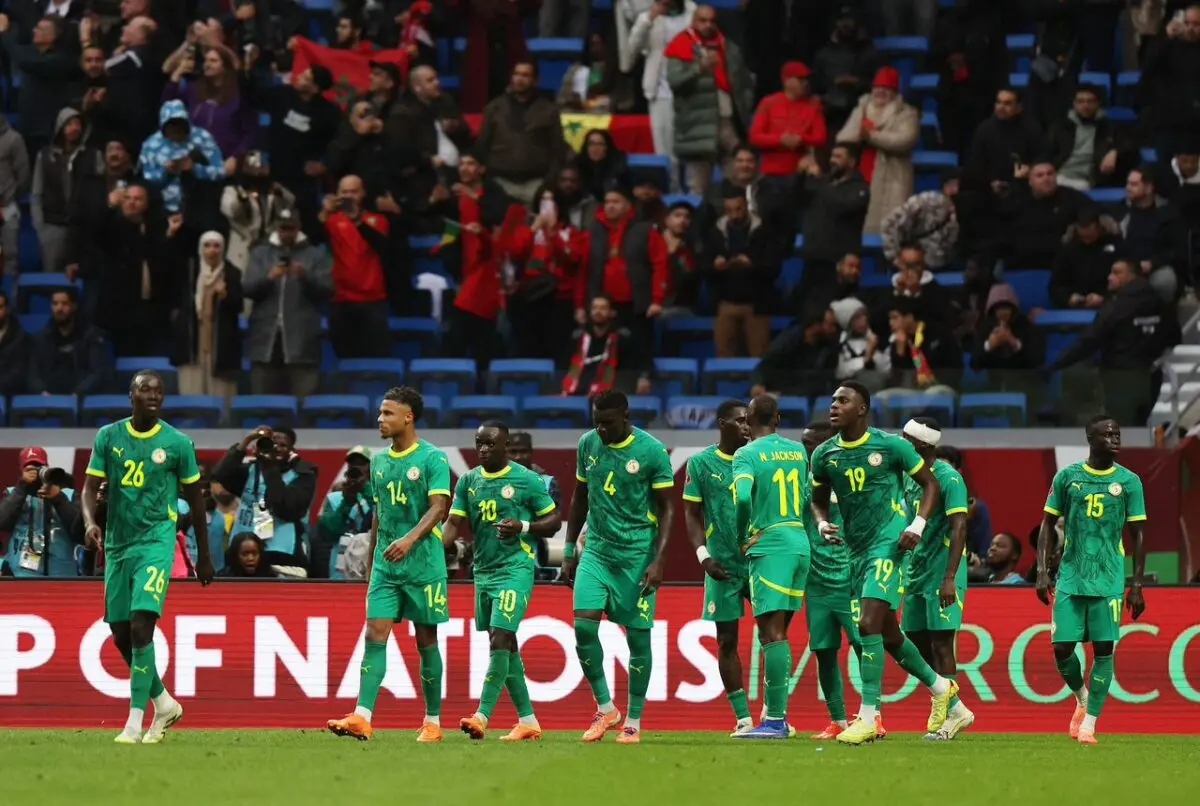
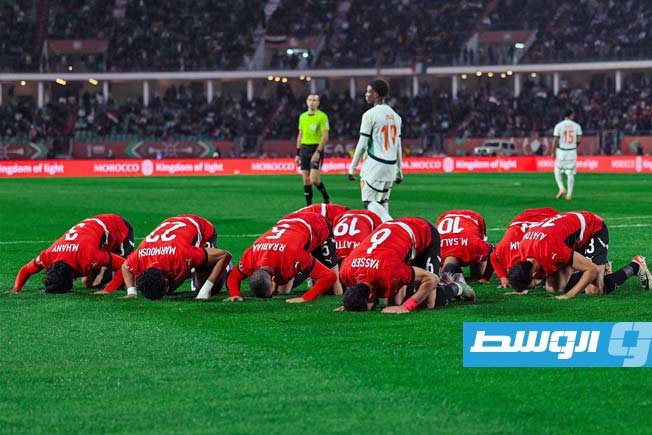
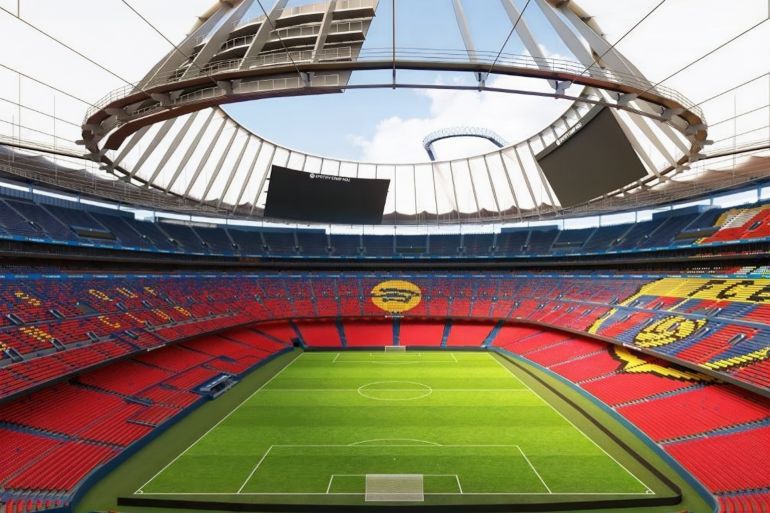
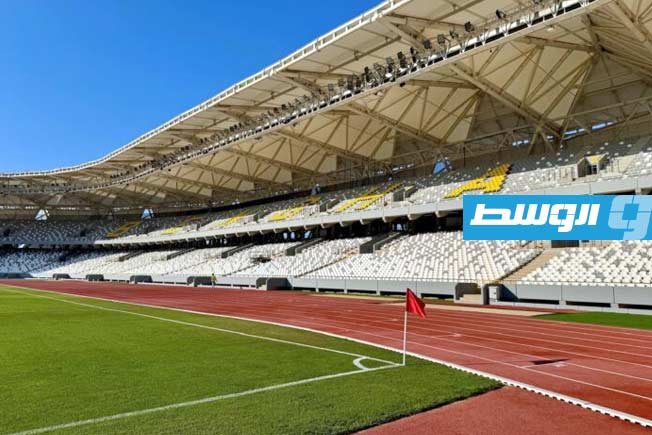
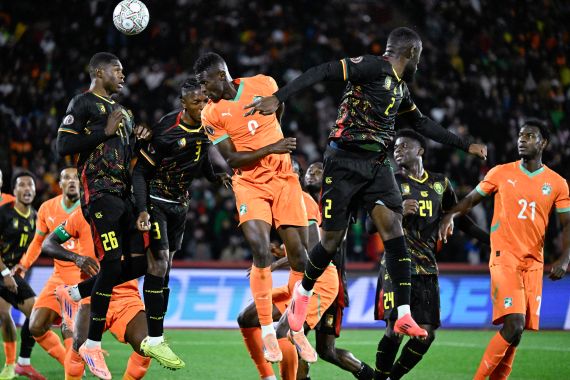
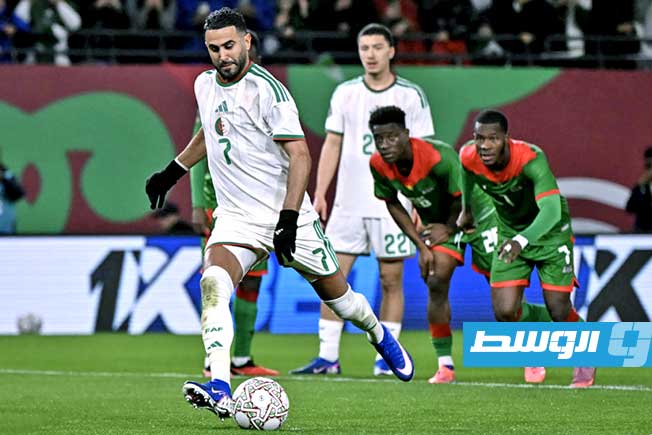
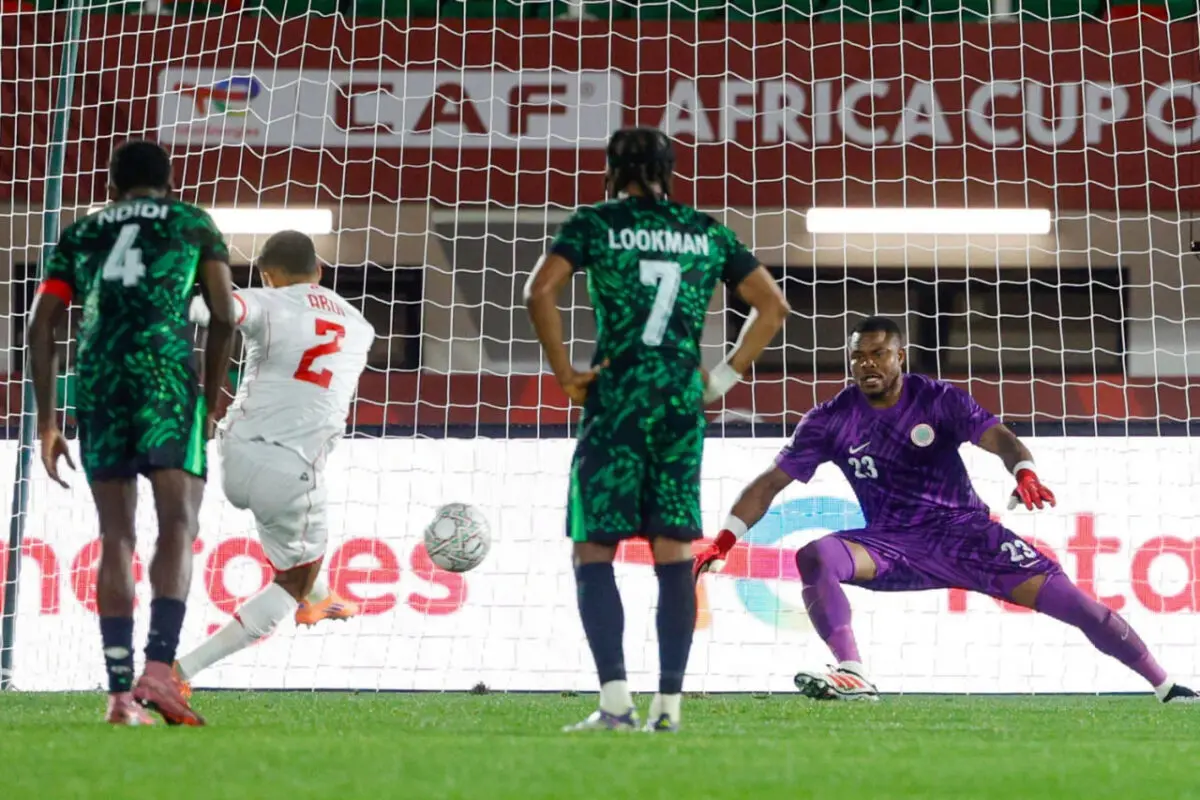
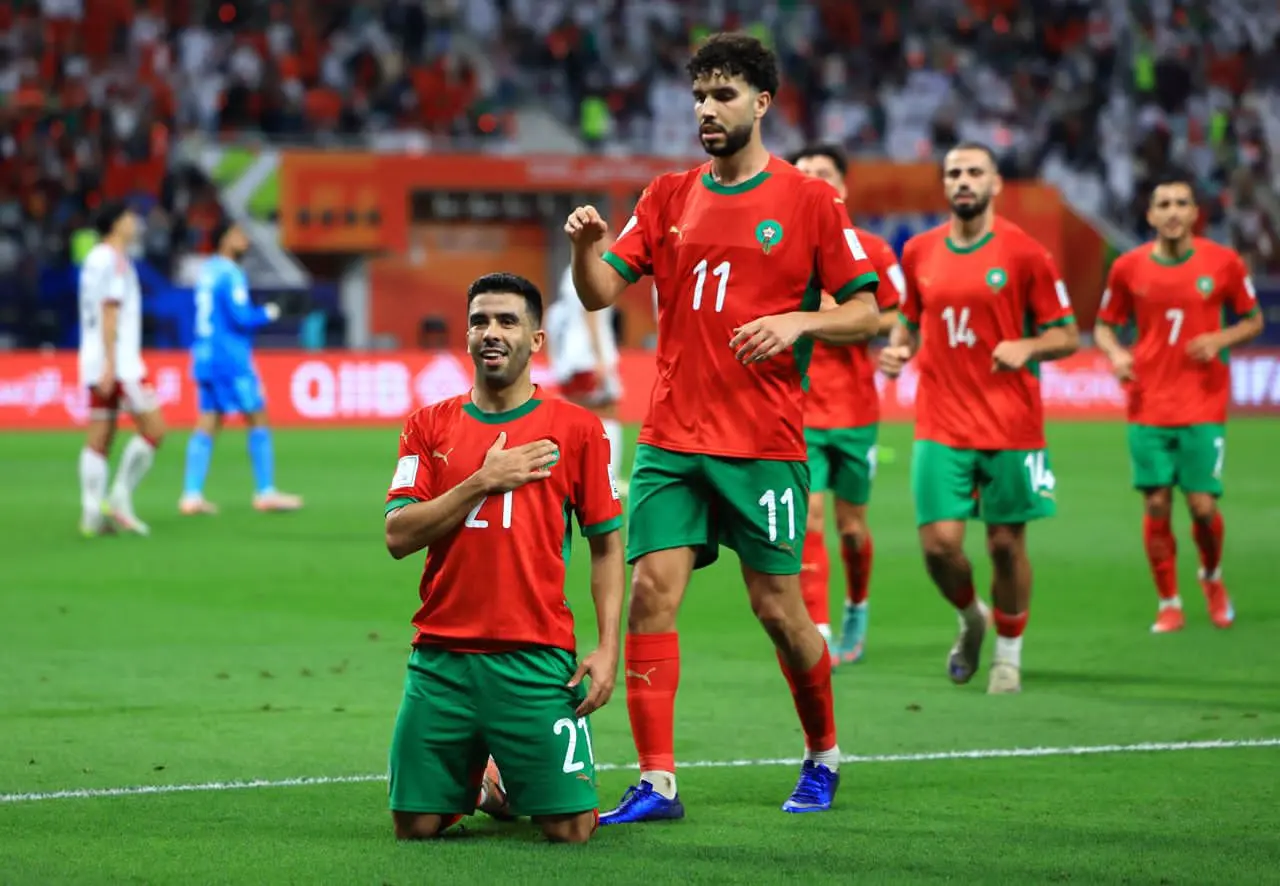
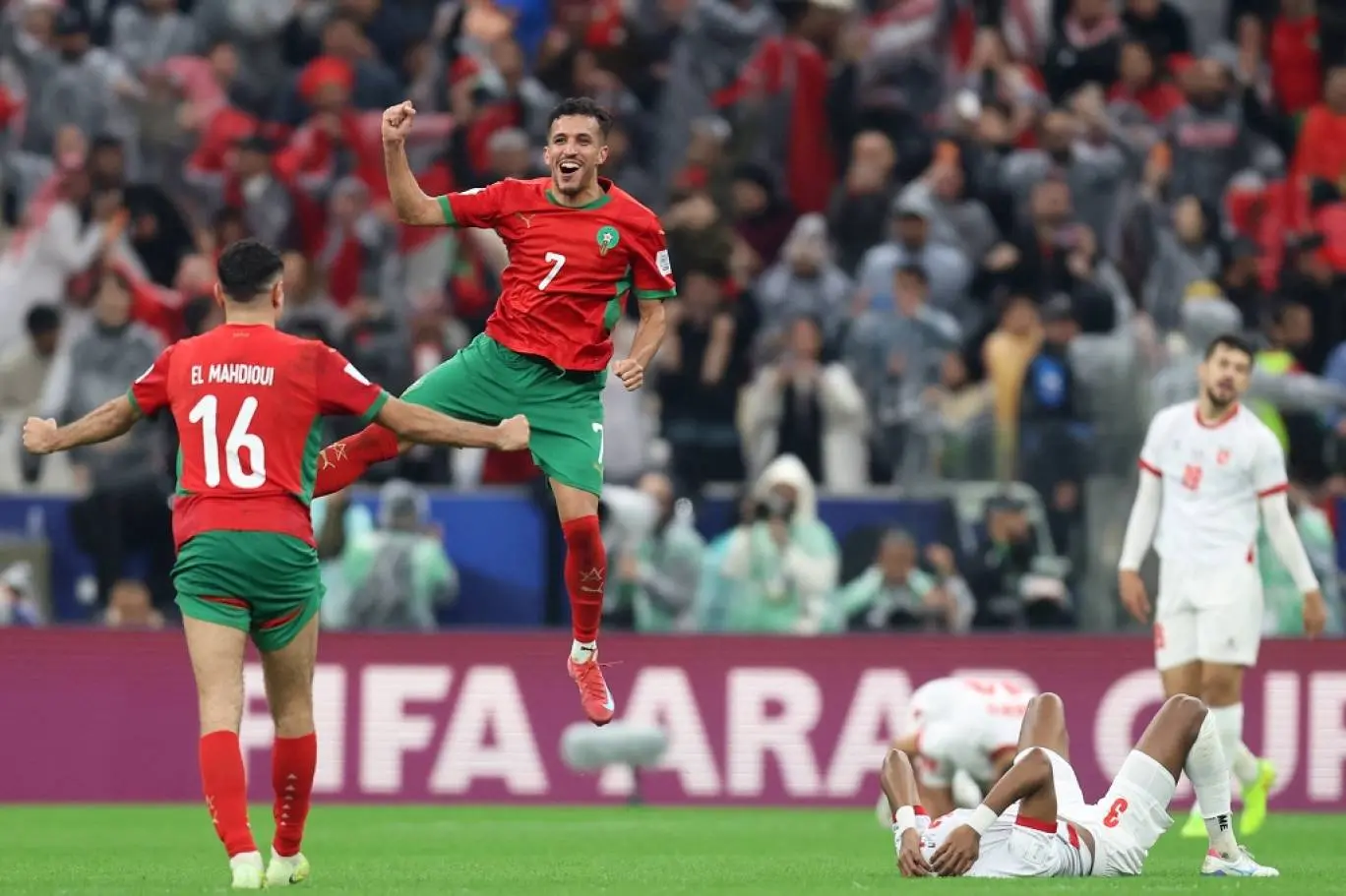
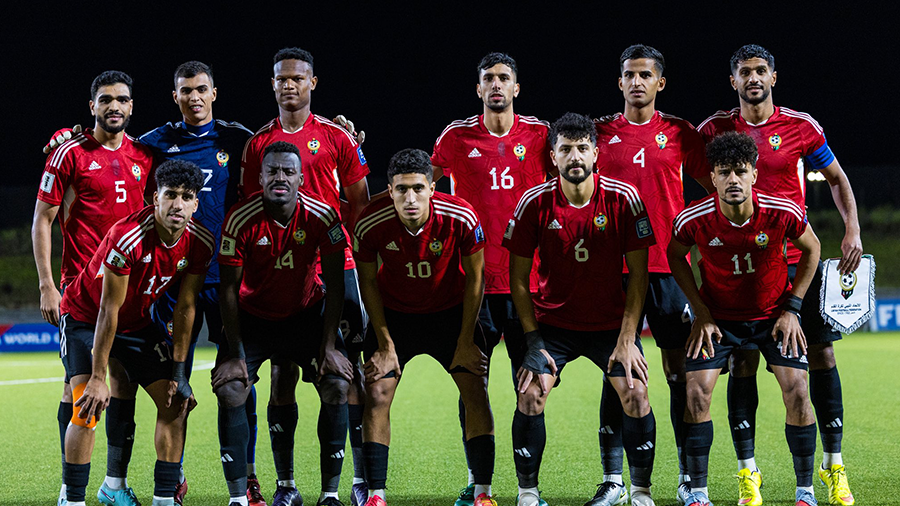
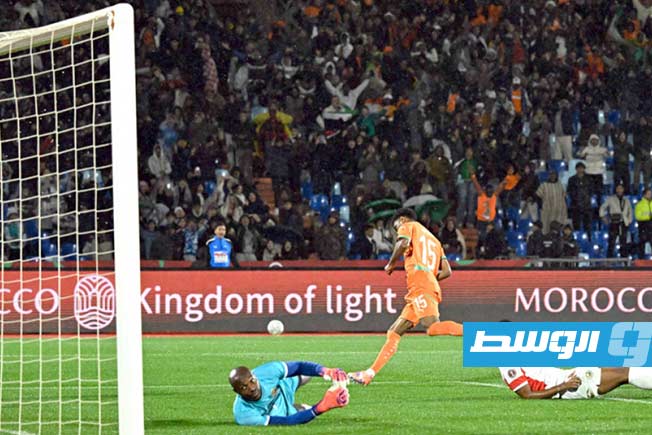
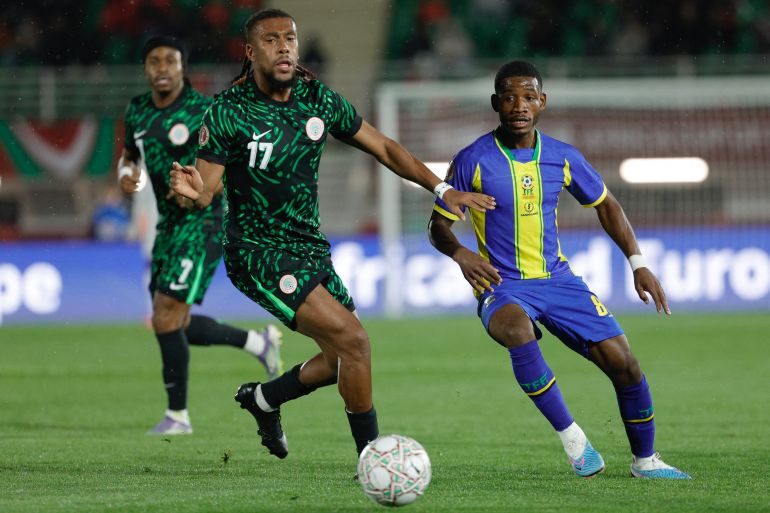
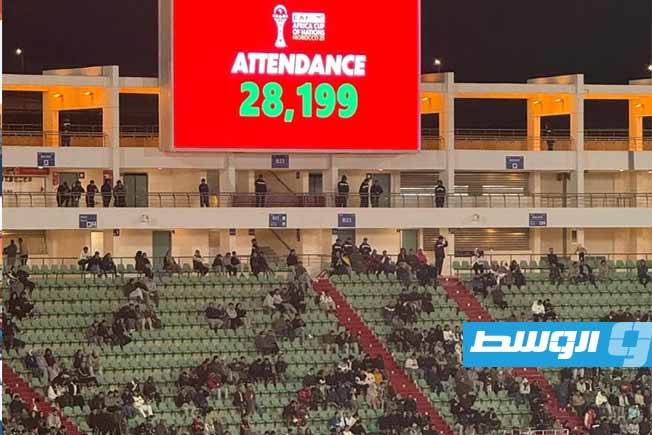
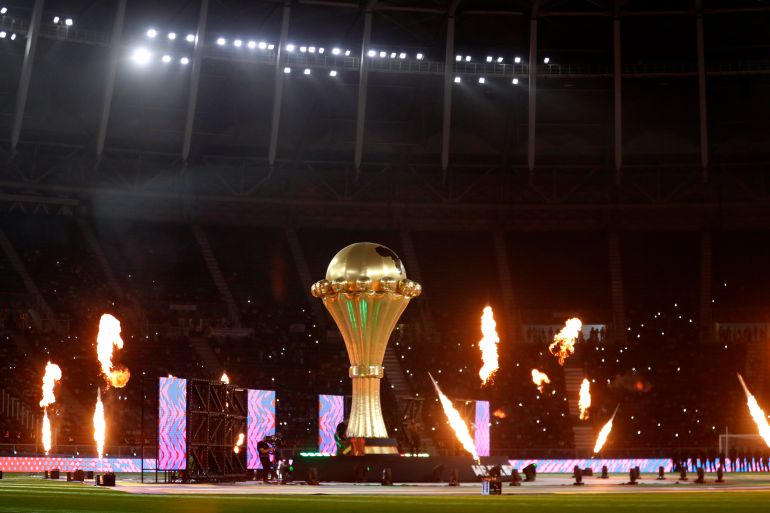
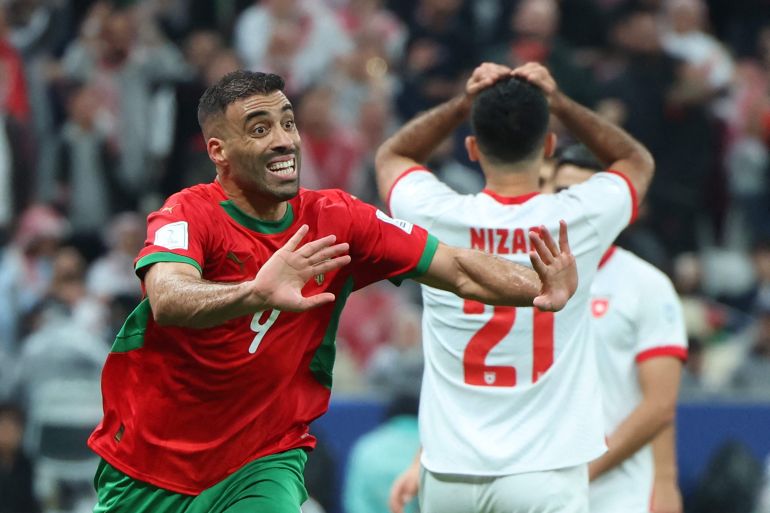
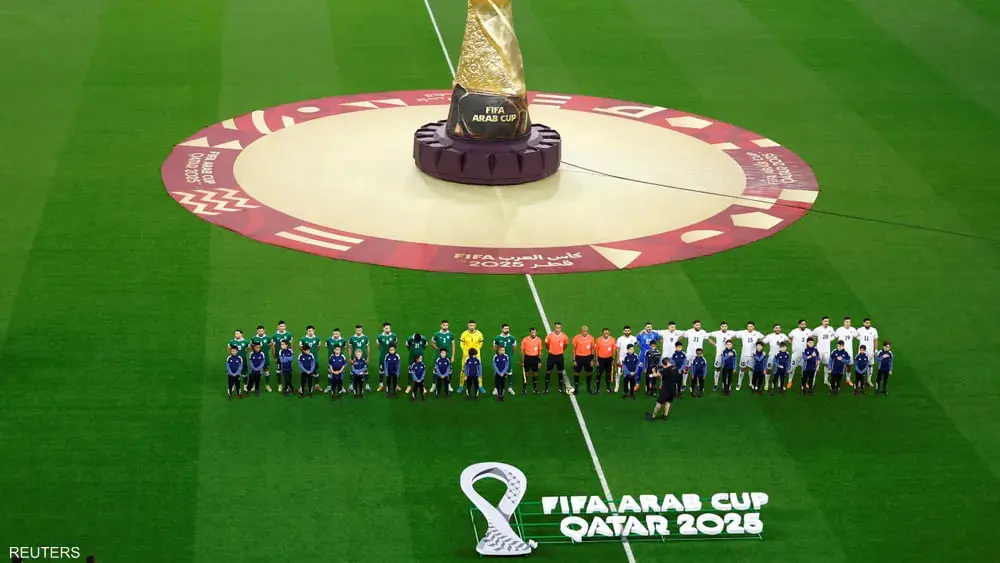
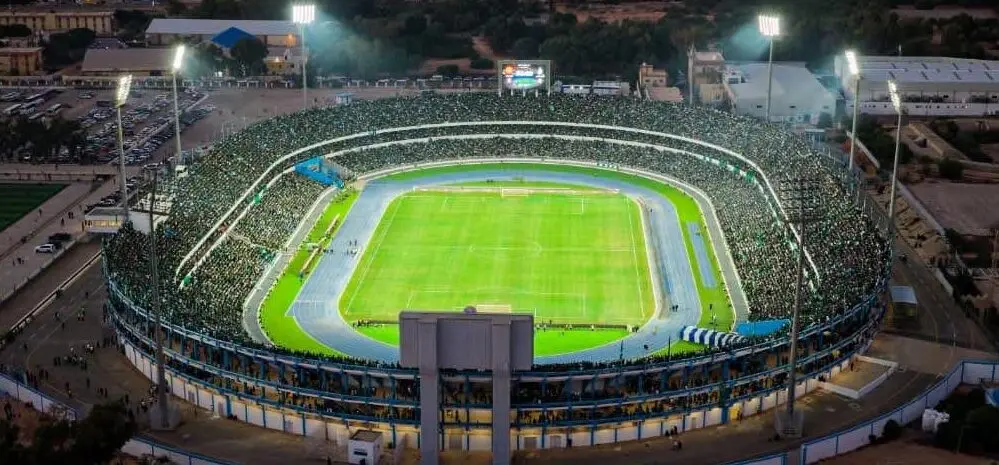
The current edition of the 2026 Africa Cup of Nations, being held in Morocco, has achieved the highest spectator attendance in the tournament’s history, following the conclusion of the group stage matches on Wednesday evening.
Official figures showed an attendance of 729,240 spectators during the group stage matches, surpassing the previous record set at the Ivory Coast 2023 edition of 643,585 spectators by a margin exceeding 85,000.
This massive turnout reflects the growing enthusiasm for the Moroccan edition of the tournament, thanks to the meticulous organization, modern infrastructure, and stadiums meeting international standards, alongside the broad participation of local and African fans.
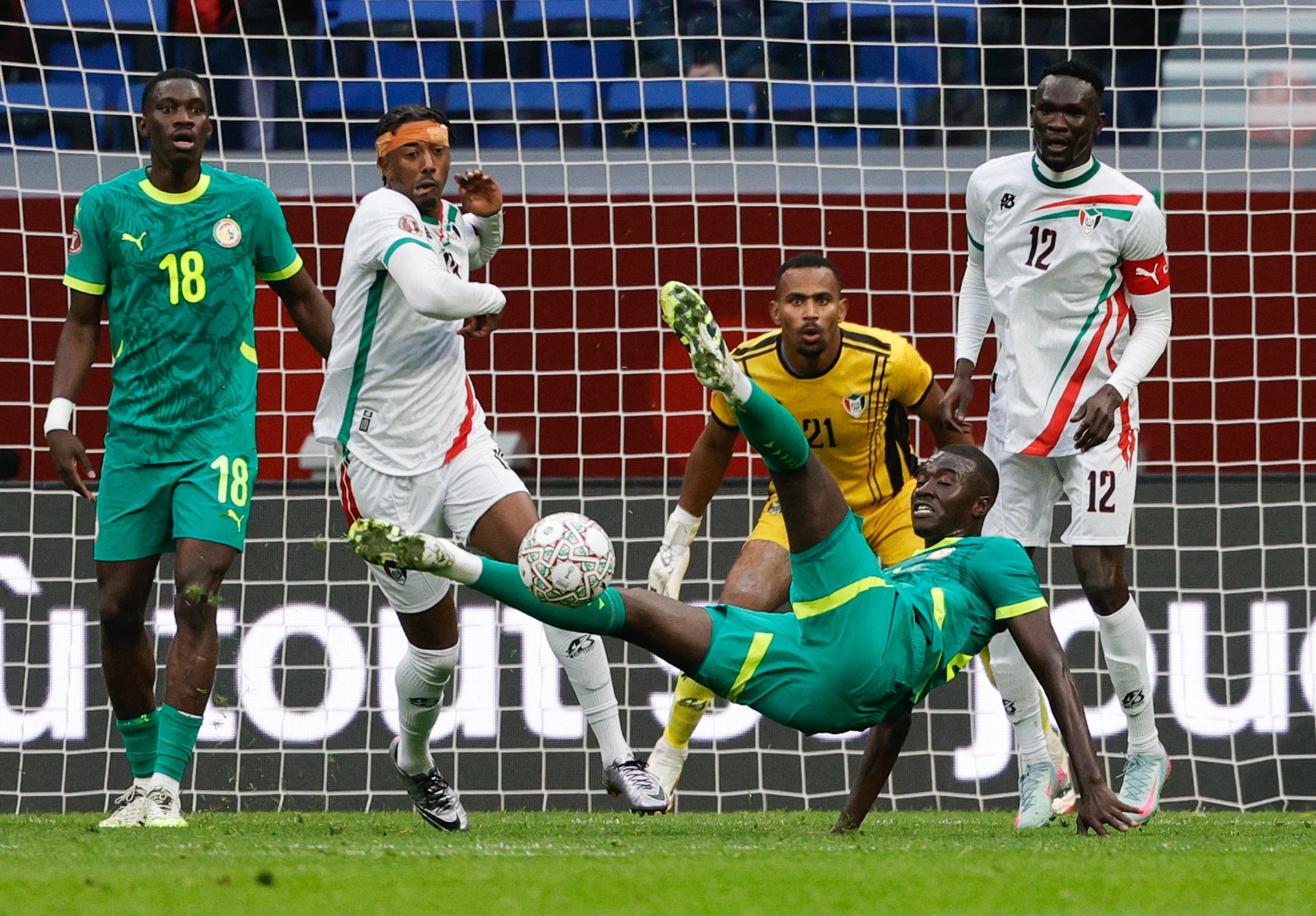
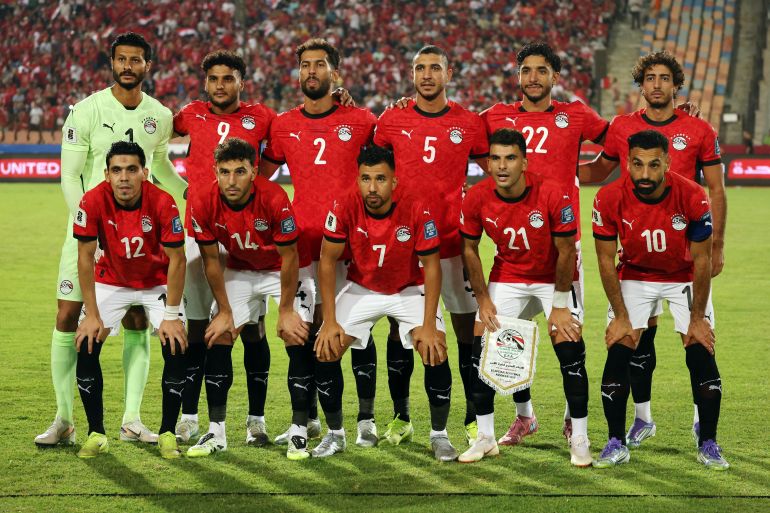
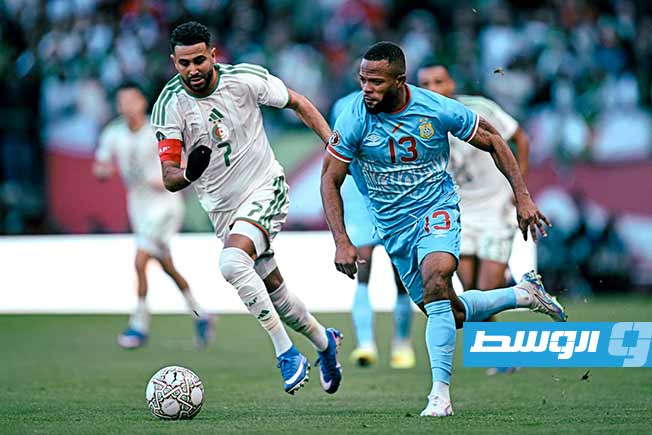
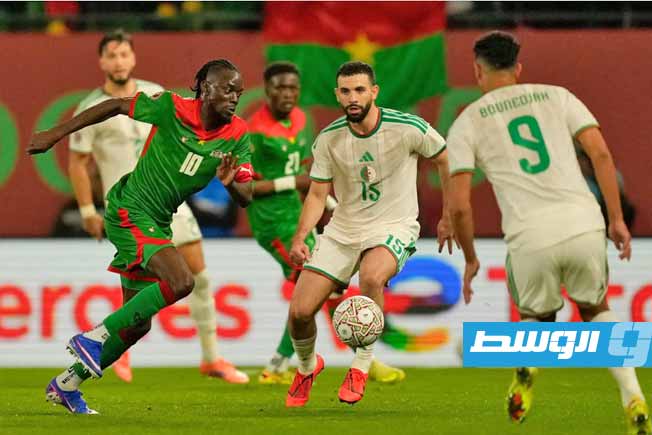
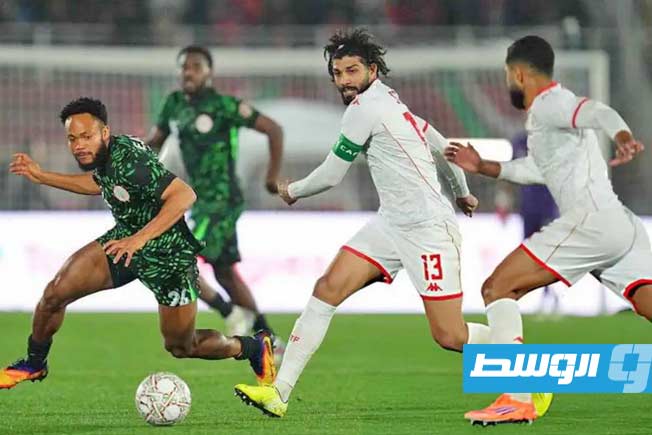
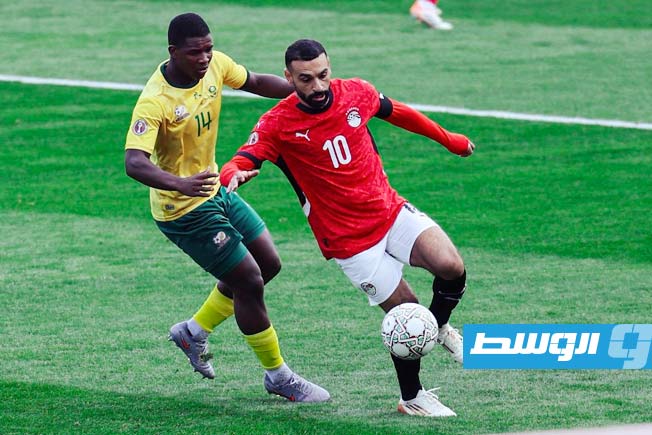
The group stage concluded with 16 teams qualifying for the round of 16: Morocco, Senegal, Egypt, Algeria, Nigeria, Tunisia, Mali, South Africa, Cameroon, Ivory Coast, Tanzania, Democratic Republic of the Congo, Burkina Faso, Mozambique, Benin, and Sudan.
The tournament began two Sundays ago and will continue until January 18, 2026, with the participation of 24 teams divided into 6 groups. The top two teams from each group, along with the four best third-placed teams, advance to the round of 16.
Morocco is hosting the tournament matches in 6 cities: Rabat, Casablanca, Marrakech, Agadir, Fez, and Tangier, amid a large spectator presence and great excitement fueled by the participation of major stars from European and Arab clubs.
Morocco
Morocco is a North African country with a rich history shaped by indigenous Amazigh (Berber) cultures, Arab influence from the 7th century, and successive dynasties like the Almoravids and Almohads. Its cultural sites, such as the ancient city of Fez and the Koutoubia Mosque in Marrakech, reflect this blend of Arab, Islamic, and Amazigh heritage. The country’s historic medinas, kasbahs, and varied landscapes from the Sahara Desert to the Atlas Mountains are central to its identity.
Ivory Coast
Ivory Coast, officially known as Côte d’Ivoire, is a West African nation with a rich history shaped by pre-colonial kingdoms, French colonization from the late 19th century, and independence in 1960. Its cultural sites include the historic town of Grand-Bassam, a UNESCO World Heritage site that was an early French colonial capital, showcasing colonial architecture and serving as a center for the palm oil and ivory trades.
Africa Cup of Nations
The Africa Cup of Nations is the premier international men’s football competition in Africa, first contested in 1957. It is organized by the Confederation of African Football (CAF) and has grown from three founding nations to include dozens of teams, serving as a major sporting and cultural event across the continent.
Rabat
Rabat is the capital city of Morocco, founded in the 12th century as a ribat (fortified monastery) by the Almohad Caliphate. It is now a modern political and administrative center, recognized as a UNESCO World Heritage Site for its well-preserved historic quarters, including the Hassan Tower and the Chellah necropolis.
Casablanca
Casablanca is Morocco’s largest city and a major economic hub, originally settled by Berbers and later developed under French colonial rule in the 20th century. It is renowned for its modern Art Deco architecture and the monumental Hassan II Mosque, which features one of the world’s tallest minarets and was completed in 1993.
Marrakech
Marrakech is a historic city in western Morocco, founded in 1062 by the Almoravid dynasty and serving as a key political, economic, and cultural center for centuries. It is renowned for its vibrant medina, a UNESCO World Heritage site, and iconic landmarks like the Koutoubia Mosque and the bustling Jemaa el-Fnaa square.
Agadir
Agadir is a major coastal city in Morocco, known today for its modern beach resorts. The original city was largely destroyed by a devastating earthquake in 1960, leading to a complete reconstruction in a contemporary architectural style.
Fez
Fez is a historic city in northern Morocco, founded in the late 8th century and home to the University of al-Qarawiyyin, established in 859 and considered the oldest continuously operating university in the world. Its UNESCO-listed medina, Fes el-Bali, is a renowned medieval urban center with a labyrinth of streets, traditional tanneries, and historic Islamic architecture.
Tangier
Tangier is a historic port city in northern Morocco, strategically located at the entrance to the Mediterranean Sea. It has a long and complex history of control by various civilizations, including the Phoenicians, Romans, and Arabs, and was an international zone administered by multiple European powers in the 20th century. Today, it is known for its unique blend of Moroccan and European cultural influences, vibrant arts scene, and historic medina.