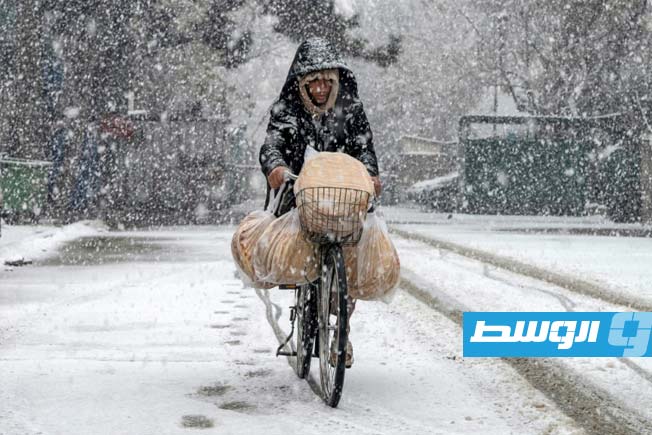
During the winter, with the cold weather, we automatically tend to wear extra layers of clothing, turn on heating devices, and consume more hot drinks, while reducing our water intake. However, what we may overlook is that the body needs regular hydration throughout the year, even on cold days, and expresses fluid deficiency through signals we might not easily notice.
Here are 6 signs that may indicate your body needs more water during winter:
-
Dry Mouth
Feeling thirsty is the clearest indicator of dehydration, and is often accompanied by dryness in the mouth, lips, or tongue.
-
Change in Urine Color
Dark yellow urine or urine with a strong odor is another sign of dehydration, often associated with urinating less frequently than normal.
-
Dizziness
A lack of fluids can lead to feelings of nausea, dizziness, or lightheadedness, as dehydration causes low blood pressure, affecting balance. In severe cases, it may lead to confusion or mental disorientation.
-
Headache
When the body’s water level decreases, the fluid surrounding the brain is reduced, which may limit its efficiency and cause headaches.
-
Feeling Tired
Dehydration affects energy levels and may cause feelings of lethargy, poor concentration, and reduced mental clarity.
-
Constipation
Water plays a fundamental role in the digestion process and regulating bowel movements. Maintaining adequate hydration helps facilitate waste elimination and reduces the chances of constipation.

How much water does the body need daily?
According to official guidelines, it is recommended to consume between 6 and 8 cups of fluids per day, keeping in mind that about 20% of the daily requirement comes from food. This amount increases during physical activity, exposure to heat, or during periods of illness.
Why is hydration necessary?
Water is involved in all vital reactions within the body. It contributes to regulating temperature, maintaining blood pressure, and supporting kidney and digestive system functions. Chronic dehydration may increase the risk of urinary tract infections and kidney problems, and in severe cases, can lead to rapid heartbeat, breathing difficulties, or loss of consciousness.
When should you see a doctor?
Although a change in urine color can be treated by drinking more water, it is advised to seek immediate medical consultation if more severe symptoms appear, such as:
- Heart palpitations.
- Severe dizziness or loss of balance.
- Persistent headache or a general feeling of exhaustion.
Simple tips to increase water intake in winter:
- Start your day with a full glass of water immediately upon waking up.
- Take small, frequent sips without waiting to feel thirsty.
- Carry a reusable water bottle so it’s always within reach.
- In cases of vomiting or diarrhea, use oral rehydration solutions to replenish fluids and salts.
- Rely on water-rich foods like fruits, vegetables, and soups as additional sources of hydration.